
Flip or Build? Why Smart Investors Are Shifting from Rehab to New Construction
Flippins isn’t dead, but it’s losing its edge. Let’s be honest, flipping houses used to be the fast track to financial freedom. Buy low, renovate, sell high - simple.
But that formula doesn’t work like it used to. Margins are thinner. Inventory is tighter. Labor and material costs have doubled.
And the competition? Every wholesaler, YouTuber and first-time flipper is chasing the same “fixer with potential.”
That’s why experienced investors are quietly making a major shift. They’re not fighting for scraps in a bidding war. They’re building their own inventory.
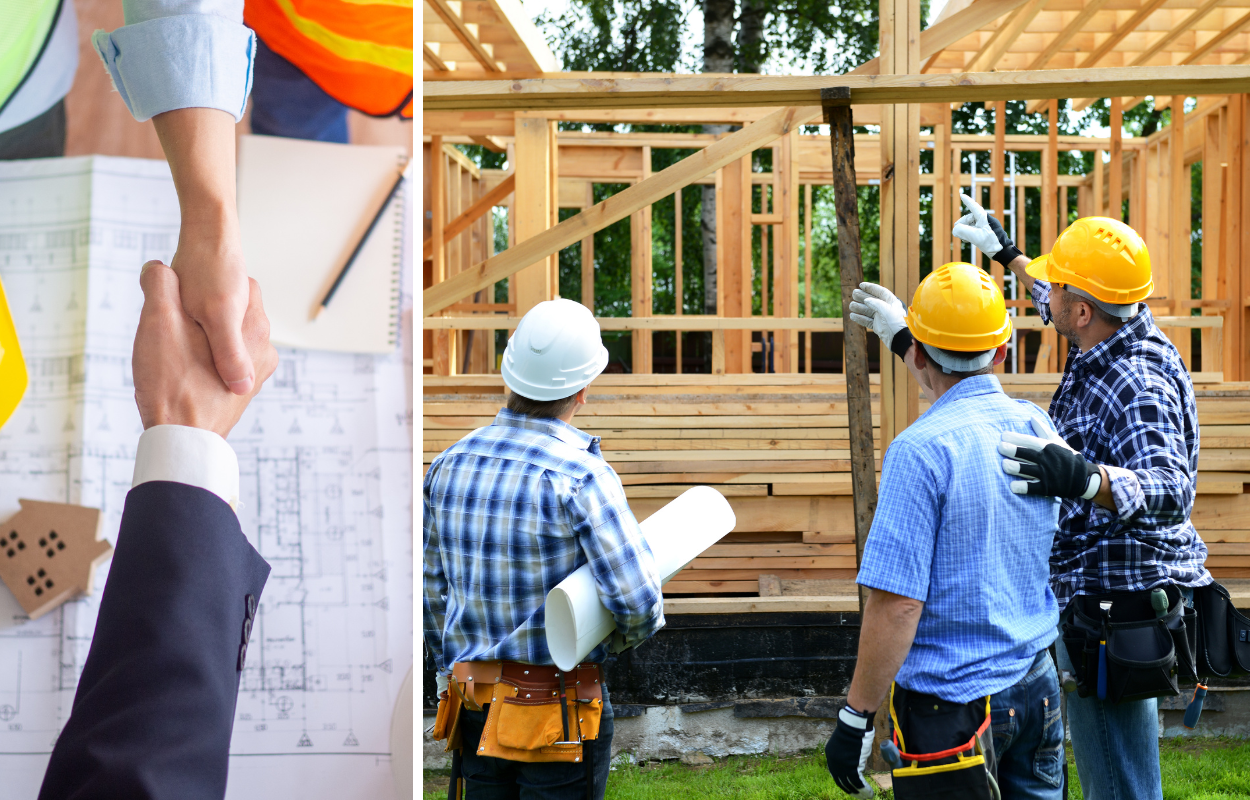

Flipping is reactive. You depend on what’s available, what comps allow and what the market dictates.
Building, on the other hand, is proactive. You decide what to create, what it’s worth, and when it hits the market.
This mindset shift - from finding deals to engineering them - is what separates the next generation of investors from the ones stuck in the old model. And in markets like Seattle, where zoning reform has opened the door for backyard development, the “builder mindset” is now the competitive advantage.

Here’s the hard truth: You can’t outbid a cash buyer who’s willing to lose money.
But you can outthink them.
Building gives you control
Control of the product: You design it to fit what buyers or renters want right now.
Control of the timeline: You’re not waiting for distressed inventory to appear.
Control of the margins: You create equity instead of competing for it.
A typical flip might net you $60K–$100K.
A new build DADU or infill project can create $250K–$400K in forced equity - while adding a long-term cash-flowing asset to your portfolio.
That’s not chasing deals. That’s engineering wealth.

Category Traditional Flip New Construction / DADU
Entry Cost Lower upfront (existing structure) Higher (soft + hard costs)
Competition High Low
Risk Market-driven Execution-driven
Profit Range $50K–$100K typical $200K–$400K+ potential
Timeline 3–6 months 12–18 months
Wealth Type Active income Equity + long-term asset
Flipping pays you once. Building pays you multiple times - in equity, rental income, and appreciation.

Let’s connect the dots.
Tight inventory: Fewer fixers available every year.
Zoning reform: Seattle now allows up to three units per lot (main + AADU + DADU).
Financing flexibility: DSCR loans, HELOCs, and construction loans make small-scale builds accessible.
Buyer demand: Modern, energy-efficient, low-maintenance homes sell fast and rent higher.
So while the average flipper is stressing over their next purchase, smart investors are focusing on maximizing one parcel instead of fighting for the next one. That’s scalability without burnout.


Permits, surveys, legal, and design fees can make or break your deal. Plan them from day one.
The faster you move from feasibility to permit, the faster your money compounds.
Don’t start construction until you’ve confirmed where your sewer, water, and power are coming from.
Condo-ize, rent, or sell - design and finance your project around that decision.

Once you complete one, you’ve created a repeatable system you can run on any qualifying lot.
Treat your first build like a test. Your goal isn’t speed; it’s precision and learning.

Check zoning, setbacks, and utilities before you buy or build.

Architect, structural engineer, GC, lender, and real estate attorney. These are your core five.

Use HELOCs or construction loans for soft costs, then refinance with a DSCR loan post-build.

Budget, timeline, and change orders - your system is your second asset.

Once your DADU is complete, replicate the model. Every successful build becomes your proof of concept for the next one.
Flipping is a race to find deals. Building is a strategy to create them.
One is reactive. The other is engineered. And in a market where competition is fierce and inventory is shrinking, control isn’t just power - it’s profit.
You can keep chasing the next fixer. Or you can design your own outcome - one build at a time.