
What Every New Investor Gets Wrong About Rehab Budgets
A practical deep-dive into building a realistic renovation budget—plus the hidden costs and rookie mistakes that can sink a deal.
Underestimating a rehab budget isn’t just a common mistake—it’s often the fatal one. For many first-time investors, the numbers look great on paper: “We’ll paint, replace the floors, update the kitchen—$30,000 max, right?”
But as any seasoned investor will tell you, real estate doesn’t live on paper. It lives in old pipes, hidden electrical panels, cracked foundations, delayed permits, and the reality of labor shortages. That $30K dream budget? It can easily double if you didn’t know what to look for.
In this guide, we’re unpacking what goes into a solid rehab budget—and more importantly, what most new investors miss. Whether you're flipping a house or renovating a rental, this is how to build a budget that doesn’t fall apart halfway through.
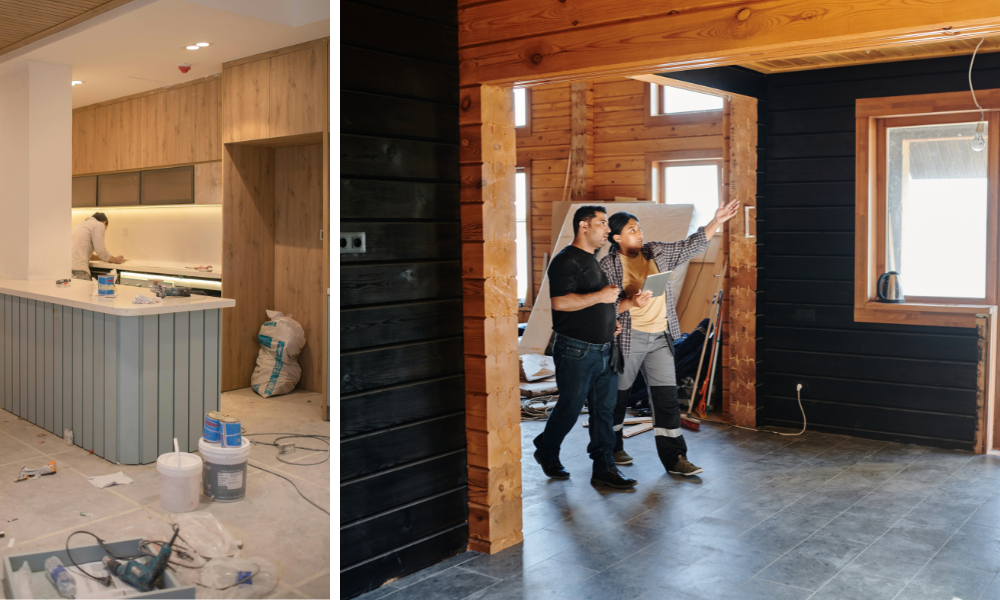

Let’s start by categorizing the work.

These are surface-level improvements. They’re the changes that buyers and renters immediately notice:
Interior/exterior paint
Flooring replacement
New countertops or cabinets
Lighting and fixture swaps
Appliance upgrades
Curb appeal touch-ups
Cosmetic jobs are typically easy to estimate and faster to complete. But don’t let the “easy” label fool you—budget overruns can still happen here if you’re sourcing luxury finishes or dealing with poor craftsmanship that leads to rework.

These are the guts of the property. They're less visible but absolutely essential:
Plumbing and sewer lines
Electrical wiring and panels
HVAC systems and ducting
Water heaters and gas lines
These upgrades often require permits, licensed specialists, and inspections. And since much of the work is behind walls or underground, surprises are common. Think a simple sink swap? You might uncover corroded lines or missing shut-off valves—adding time, cost, and headaches.

This is the category that can quietly destroy a budget if not caught early:
Foundation cracks or sinking
Roof replacements or framing issues
Water intrusion or dry rot
Termite damage
Support beams and load-bearing walls
Even just removing a wall might require a structural engineer and thousands in reinforcement. New investors often overlook this layer entirely—and that’s where the trouble begins.

The most dangerous budget killers are the ones you don’t plan for—because they’re not in plain sight. Here are some of the most common:
Permitting Fees: Cities may charge for electrical, plumbing, or structural permits individually. Some require plan review before you even swing a hammer. Expect delays and costs to stack up.
Dumpster Rentals and Haul-Offs: Demo day isn’t just labor—it’s disposal. A large dumpster rental might run $500–$700 per haul, and many projects need multiple trips.
Utility Upgrades or Restarts: Water and power may need temporary service, reconnections, or trenching to meet current codes.
Holding Costs: If your project runs long, your holding costs (loan interest, taxes, insurance, utilities) grow with every delay.
Material Escalation: Pricing on lumber, copper, and appliances fluctuates. Locking in pricing or planning for a 10–15% buffer is critical during uncertain times.
City Code Compliance: Older homes often aren’t up to modern building code. You might be forced to upgrade electrical or add smoke detectors in every room just to pass final inspections.
These aren’t “extras”—they’re essentials that many beginners forget to budget for.

When you're touring a potential rehab, leave the emotional lens at home. You’re not house-hunting—you’re asset-assessing.
Walk through each room with a purpose:
Look up: Are there stains on the ceiling? Sagging roof lines? Cracks above door frames?
Look down: Uneven floors, water pooling in the crawlspace, or cracking foundation can hint at deeper structural issues.
Test systems: Flip light switches, run faucets, flush toilets. Listen for gurgles, flickers, or low pressure.
Inspect the exterior: Check grading, downspouts, siding condition, and fence lines. Even a failing driveway or leaning retaining wall can require thousands to fix.
If you’re unsure about what to look for, bring a contractor or inspector on the initial walk. The $250–$400 you spend upfront could save you tens of thousands down the road.

The rule of thumb is to add a 10% contingency to your rehab budget. That’s good practice—for cosmetic-only projects.
But if you’re touching mechanical systems or doing any structural work, here’s a better breakdown:
Cosmetic-only project: Add 10%
Full renovation with minor system upgrades: Add 15%
Old home (pre-1980) or major structural work: Add 20–30%
And don’t forget: if the property has been vacant, vandalized, or had deferred maintenance for years, assume surprises are coming.
Build this buffer into your numbers before you lock in your purchase offer. If the deal doesn’t work with a healthy buffer, it’s not a deal—it’s a liability.

Once you’ve scoped the job, it’s time to bring in contractors. But comparing bids is about more than price—it’s about clarity.
Here’s how to do it right:
Ask for detailed, line-item bids. This prevents vague estimates like “bathroom remodel – $10,000” with no breakdown.
Clarify who buys materials. Are you supplying vanities, tile, and faucets, or is that built into the bid?
Get timelines in writing. And ask what could cause delays. Don’t just assume work will be back-to-back.
Set payment milestones. Pay based on completed work—not just on a timeline. Common phases include demo, rough-in, finishes, and final walk-through.
Expect change orders. Scope creep happens. Just make sure each change is signed and itemized before the work begins.
Rehab Budgeting is Risk Management
Creating a rehab budget isn’t just about numbers—it’s about managing risk. You’re not just planning a project. You’re forecasting unknowns, controlling exposure, and protecting your profit.
New investors often get this wrong because they’re too focused on price per square foot or quick resale estimates. But the pros know: the money is made in the margins—and those margins are defined by your budget discipline.