Homeowners Insurance: What to Know Before You Buy or Sell
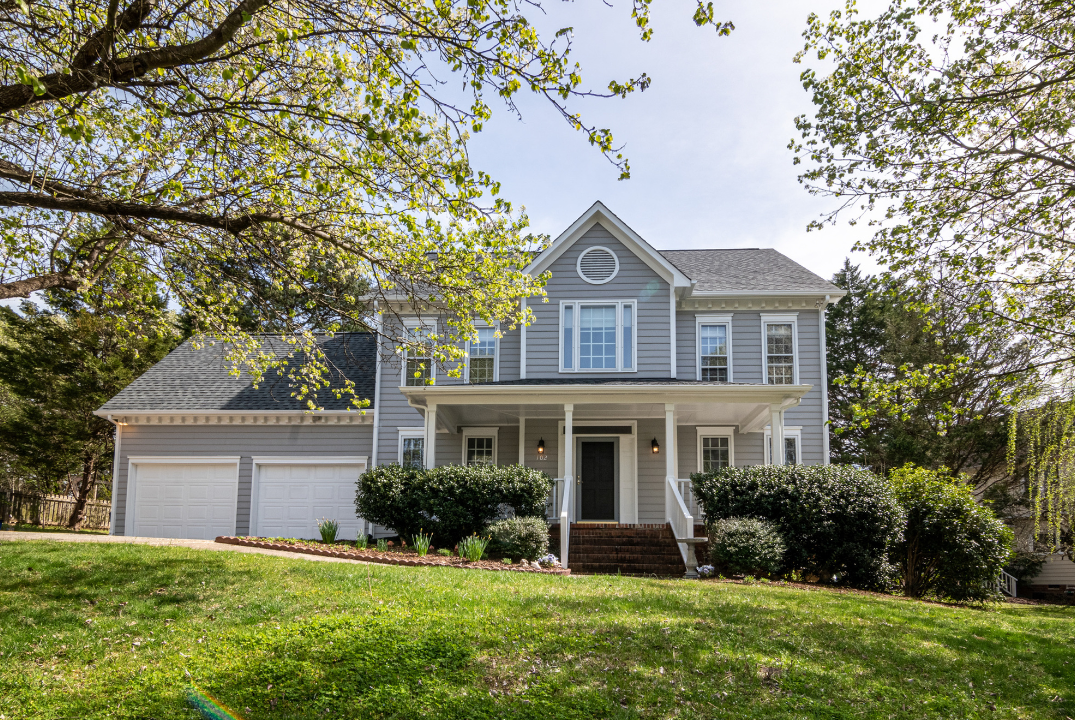
Most homeowners think about insurance as a closing requirement, not as something that significantly impacts your property and finances. That's a mistake. Insurance costs, coverage requirements, and claims history affect property value, buyer perception when you sell, and your ability to refinance. Often these impacts appear in ways you won't discover until it's too late to adjust your strategy.
Understanding how insurance works when buying and selling a home gives you leverage. You'll know which properties to avoid, which repairs to prioritize, and how to position your property to attract serious buyers instead of scaring them off with red flags that show up in their insurance quotes.
Why Claims History Matters More Than You Think
Every property has an insurance claims history that follows it across ownership changes. This history isn't just about whether the current owner filed a claim - it's a cumulative record that includes claims from previous owners going back five to seven years depending on the insurance carrier. Buyers will pull this report during due diligence, and what they find can completely change the deal dynamics.
A property with multiple water damage claims signals either deferred maintenance or structural issues that haven't been properly addressed. Wind and hail damage claims suggest roof problems. Liability claims raise questions about property conditions or tenant issues. Even if the problems were resolved years ago, the claims history creates hesitation and gives buyers negotiating power.
When you're selling, request a Comprehensive Loss Underwriting Exchange (CLUE) report before listing. This report shows all claims filed on the property. If there are red flags, address them proactively in your listing disclosure. Explain what happened, what was fixed, and provide documentation showing the issue was resolved properly. Buyers appreciate transparency, and it's far better for them to hear about claims from you than to discover them during their own inspection and wonder what else you're hiding.
When you're buying, always request the CLUE report during due diligence. A clean report is ideal, but even properties with claims can be good investments if the issues were legitimately resolved and won't recur. What you want to avoid are patterns - three water damage claims in five years means there's a systemic problem, not bad luck.
What Coverage Actually Costs and Why It Varies So Much
Insurance premiums aren't uniform. Two identical properties on the same street can have dramatically different insurance costs based on factors that aren't always obvious. Roof age is the single biggest driver of premium differences. A roof over fifteen years old can push your premium up by thirty to fifty percent, and in some markets, insurers won't even write policies for roofs over twenty years old without replacement. This is critical information when you're analyzing a deal - if the property has an older roof and you're planning to hold it for several years, you need to factor in both the eventual replacement cost and the higher insurance premiums you'll pay in the meantime.
Construction type also matters significantly. Frame construction costs more to insure than masonry because it's more vulnerable to fire and wind damage. Properties in wildfire-prone areas or coastal flood zones face even steeper premiums, and in some cases, standard carriers won't write policies at all. You'll end up in surplus lines markets where premiums can be double or triple what you'd pay in a standard market.
The property's distance from a fire hydrant and fire station affects premiums, especially in rural areas. A property located more than five miles from the nearest fire station might face premiums twenty to thirty percent higher than a similar property closer to emergency services. This is something you can check on a map before making an offer, but most investors don't think to look until they get their first insurance quote and wonder why it's so high.
Your own claims history as a property owner also follows you. If you've filed multiple claims across your portfolio, insurers view you as a higher risk even on properties where you haven't filed any claims yet. This is why smart investors think carefully before filing smaller claims. A fifteen hundred dollar water damage claim might cost you more in increased premiums over three years than if you'd just paid for the repair out of pocket.
Coverage Requirements for Lenders and What They Actually Mean
Lenders require specific insurance coverage to protect their interest in the property, and understanding these requirements helps you avoid last-minute scrambles at closing. The standard requirement is dwelling coverage equal to the replacement cost of the structure, not the market value. Replacement cost is what it would take to rebuild the property from the ground up if it were completely destroyed, and this number is often higher than market value in areas where land is expensive but construction costs are moderate.
Lenders also require liability coverage, typically starting at three hundred thousand dollars but often requiring five hundred thousand to one million dollars for higher-value properties or those used as short-term rentals. If you're house-hacking or have tenants, you'll need a landlord policy instead of a standard homeowners policy. Landlord policies cost more but provide coverage appropriate for rental situations, including loss of rent coverage if the property becomes uninhabitable due to a covered event.
If the property is in a designated flood zone, you'll need separate flood insurance through the National Flood Insurance Program or a private carrier. Standard homeowners policies don't cover flood damage, and this is a common gap that catches new investors off guard. Flood insurance isn't cheap - premiums in high-risk zones can run several thousand dollars annually - and it's required by most lenders if the property is in a FEMA-designated flood zone. Even if flood insurance isn't required, it's worth considering if the property is near water or in an area with drainage issues. Climate patterns are changing, and areas that historically didn't flood are seeing more frequent water events.
Earthquake insurance is another common add-on in seismically active regions, though lenders typically don't require it. Whether you carry it depends on your risk tolerance and the property's construction. Unreinforced masonry buildings face much higher earthquake risk than modern frame construction, and policies for older buildings can be prohibitively expensive.
How Insurance Affects Your Ability to Sell
When you're selling an investment property, buyers will evaluate the property's insurability as part of their due diligence. If a buyer can't get insurance at a reasonable cost, they'll either walk away or renegotiate the purchase price to account for the higher holding costs. This is especially common in areas affected by recent natural disasters where insurers have pulled back coverage.
Properties with older roofs, knob-and-tube wiring, polybutylene plumbing, or aluminum wiring often face coverage denials or significantly higher premiums. If your property has any of these issues and you're planning to sell in the next few years, consider addressing them proactively. A twenty-thousand-dollar roof replacement might feel expensive, but it makes the property more marketable and prevents buyers from using insurance concerns as a negotiating lever.
In markets where insurance availability has become restricted - parts of California dealing with wildfire risk, coastal Florida facing hurricane exposure, Louisiana after repeated storm damage - insurance availability can become a deal-breaker. Buyers need to know they can insure the property before they close. If standard carriers won't write policies and buyers are forced into surplus lines markets with much higher premiums, that affects the property's effective cash flow and reduces its appeal compared to similar properties without insurance complications.
This is where your preparation pays off. If you know your property will face insurance challenges, connect buyers with insurance agents who specialize in difficult-to-insure properties before they make an offer. Let them know upfront what to expect for premiums. Buyers appreciate honesty, and being proactive about potential obstacles builds trust and keeps deals moving forward.
Smart Strategies for Managing Insurance Costs
Investors who treat insurance as a line item they can't control end up paying more than they need to. There are legitimate ways to reduce premiums without sacrificing necessary coverage.
Bundling multiple properties with the same carrier often unlocks meaningful discounts. If you own three or four rental properties, insuring them all through the same company might save you fifteen to twenty percent compared to spreading coverage across multiple carriers. The trade-off is less diversification - if that carrier non-renews your policies or raises rates significantly, you'll need to shop multiple properties at once. But for most investors, the cost savings justify this risk.
Increasing deductibles lowers premiums, sometimes significantly. Moving from a thousand-dollar deductible to twenty-five hundred dollars might reduce your annual premium by twenty to twenty-five percent. This makes sense if you're financially positioned to cover the higher deductible and aren't likely to file small claims. Higher deductibles also make you less likely to file marginal claims, which protects your claims history and keeps your rates stable long-term.
Maintaining good claims discipline matters more than most investors realize. Before filing any claim, calculate whether the claim amount minus your deductible is worth the potential premium increases and the mark on your claims history. A three-thousand-dollar claim with a thousand-dollar deductible nets you two thousand dollars, but if it raises your premiums by five hundred dollars annually for three years, you've broken even at best. File claims for legitimate major losses - structure fires, severe storm damage, significant liability events - but think twice about smaller claims you can afford to handle yourself.
Finally, shop your insurance annually or at least every two years. Loyalty doesn't pay in insurance. Carriers adjust their risk appetites and pricing regularly, and what was the best rate three years ago might now be twenty percent higher than a competitor's quote. Use an independent insurance agent who works with multiple carriers instead of a captive agent who only represents one company. Independent agents can shop your coverage across several options and find the best combination of price and coverage.
What This Means for Your Next Deal
Insurance isn't just a cost - it's a signal. When insurance is expensive or hard to obtain, it's telling you something about the property's risk profile. Pay attention to that information. A property that's difficult to insure might still be a good investment if the numbers work and you understand what you're taking on, but you need to price that risk appropriately.
When analyzing deals, call an insurance agent early and get a realistic premium quote before you're under contract. The five-minute conversation could save you from discovering too late that insurance costs blow up your cash flow projections. And when you're selling, know your property's insurance story before buyers ask about it. If there are challenges, address them transparently and position yourself as someone who solves problems instead of hiding them.
Insurance might not be the most exciting part of real estate investing, but understanding how it works gives you an edge most investors don't have. The deals that pencil beautifully on paper can fall apart quickly when insurance costs come in higher than expected, and the properties that seem challenging can become opportunities if you know how to navigate the insurance landscape better than the competition.