The 7 Things That ACTUALLY Matter When Picking a Neighborhood
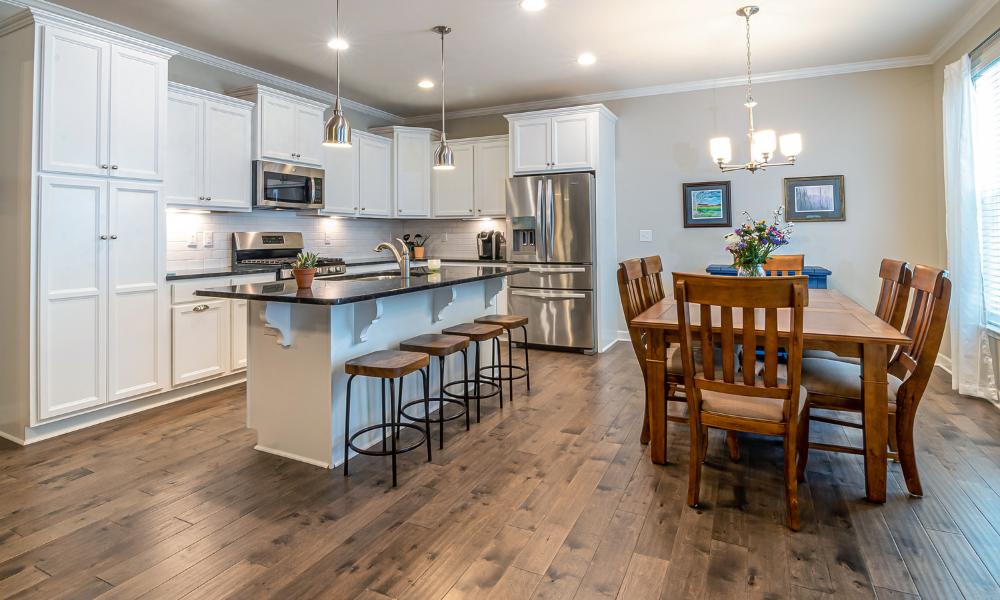
When most people start their home search, they fixate on two main criteria: the house itself and its proximity to good schools or the workplace. While those are certainly important, they’re just the tip of the iceberg. The truth is, choosing the right neighborhood is just as critical —if not more so— than choosing the right house. After all, you can renovate a kitchen, but you can’t change the community around it.
Whether you’re a first-time buyer, a seasoned investor or somewhere in between, understanding what truly makes a neighborhood desirable can help you make a smarter, longer-lasting decision. Let’s dive into the seven factors that often get overlooked but can make all the difference when it comes to daily life, future value and long-term satisfaction.
1. Walkability and Everyday Convenience
Walkability has become one of the most sought-after neighborhood features in today’s real estate market and for good reason. Being able to walk to coffee shops, grocery stores, parks or a favorite brunch spot isn’t just a lifestyle perk; it’s a quality-of-life upgrade.
Walkable neighborhoods tend to foster stronger community connections and reduce reliance on cars, which can lower transportation costs. Plus, they often maintain higher property values and appeal to a wider range of future buyers, including downsizers, families and young professionals.
Look at tools like Walk Score or Google Maps to gauge walkability. Pay attention to sidewalks, lighting, crosswalks and the general feel of the streetscape. Do you feel safe walking here at night? Are local amenities within a 10-15 minute walk? These are small details that add up to a big difference.
2. Planned or Ongoing Development
Don’t just look at the present—consider what’s coming in the future. New developments like shopping centers, transit stations, bike lanes, or entertainment hubs can significantly impact property values and livability.
Check city planning websites or local news sources for information about upcoming infrastructure projects, zoning changes, or commercial developments. A sleepy neighborhood today could be a thriving hub five years from now—or vice versa.
Also, beware of overdevelopment. Too many new high-density projects in a short period can cause congestion, strain public services, or dilute the character of a neighborhood. Balance is key.
3. Community Vibe and Lifestyle Fit
Every neighborhood has a personality. Some feel lively and energetic, filled with cafes, art murals, and music on the weekends. Others are quiet, suburban and family-oriented. Some feel upscale and polished, while others feel relaxed and unpretentious.
Think about your own lifestyle and what kind of environment supports it. Do you want peace and privacy or are you drawn to neighborhoods with a strong social scene? Are you looking for dog parks and family playgrounds or a thriving nightlife?
Visit at different times of day, talk to locals if you can, and pay attention to how it feels to be there. The “vibe” might sound vague, but it often ends up being the deciding factor for long-term satisfaction.
4. Resale Value and Buyer Demand
Even if you plan to stay long-term, it’s wise to think like a seller. A great neighborhood will help your home retain its value and appeal to future buyers down the road.
Look at historical trends in the neighborhood: How have property values changed over the past 5–10 years? Is there consistent demand, or does the area experience long periods of stagnation?
Proximity to amenities, low crime rates, and a strong community reputation all contribute to better resale potential. Even if you fall in love with a specific home, zoom out and ask: Will the next buyer love this neighborhood as much as I do?
5. Noise, Traffic and General Peacefulness
One of the most overlooked but most felt aspects of a neighborhood is its sensory impact. How noisy is it? Are you near a freeway on-ramp, airport flight path or train line? Does traffic back up in front of the house every morning?
Spend time in the area during different parts of the day. Morning rush hour and weekend evenings can paint a very different picture than a quiet Tuesday afternoon.
Also consider things like street parking, speed limits and the presence of speed bumps or roundabouts. These subtle design features can tell you a lot about how busy or peaceful a neighborhood truly is.
6. Public Spaces and Natural Elements
Access to green space isn’t just a luxury, it’s a major quality-of-life factor. Parks, community gardens, walking trails and even tree-lined streets can improve mental health, increase opportunities for exercise, and provide gathering spaces for neighbors.
Neighborhoods with well-maintained public spaces also signal strong civic engagement and pride of ownership. Look for clean sidewalks, cared-for landscaping and spaces where people gather organically. These details reflect how connected and invested the residents are in their community.
7. Safety and Overall Maintenance
Safety is foundational, but don’t just rely on crime statistics. While those matter, there’s more to safety than numbers. Well-lit streets, visible community patrols and an active neighborhood watch program can create a sense of security.
Also look at the condition of surrounding properties. Are lawns maintained? Are fences in good repair? A well-kept neighborhood often means homeowners are taking pride in their properties and watching out for each other.
Online neighborhood forums or apps like Nextdoor can also offer insight into what locals are experiencing in real-time.
The right neighborhood doesn’t just support your lifestyle—it shapes it.
So take your time. Do your research. Choosing the right neighborhood is about more than checking boxes. It’s about aligning where you live with how you want to live — today, tomorrow and years from now. By going beyond the obvious (like school ratings and commute times) and looking deeper into walkability, development plans, community feel and resale value, you position yourself for a smarter, more satisfying investment.