Selling As-Is vs. Making Repairs: A Cost-Benefit Analysis
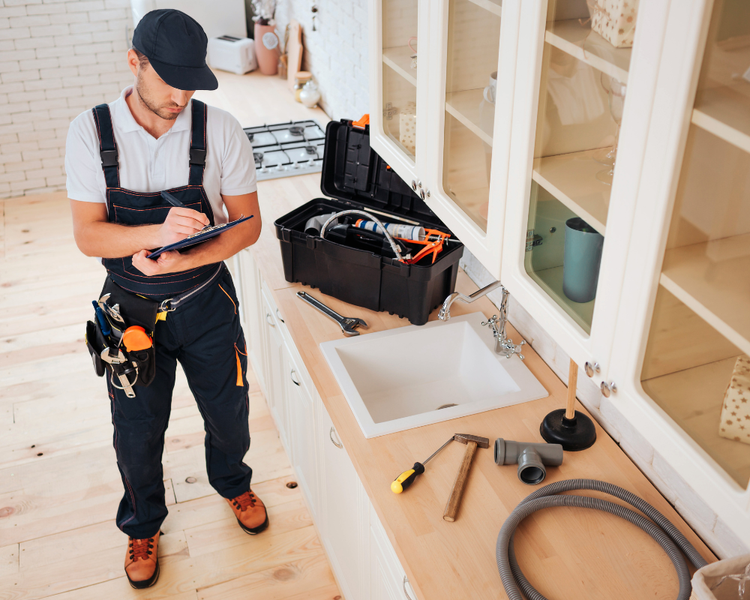
Every seller eventually faces this decision: pour money into repairs before listing, or accept a lower price and move on. It doesn't matter if you're an investor with a rental property or a homeowner ready to move on from a house that needs work. The answer isn't always obvious, and getting it wrong costs you both time and money.
This isn't about choosing the easy path. It's about understanding which path actually maximizes your return when you factor in holding costs, opportunity cost, and market conditions.
Conventional wisdom says fix everything and get top dollar. But conventional wisdom ignores how repair dollars actually convert to sale price. It also doesn't account for the three months you'll spend managing contractors while your capital sits locked in a property bleeding carrying costs.
Here's how to make this decision based on numbers, not emotions or assumptions about what buyers want.
The Real Math Behind Repair ROI
Most sellers overestimate how much repairs actually add to the sale price. They think a ten thousand dollar kitchen refresh adds ten thousand in value, but the market doesn't work that way. Buyers discount improvements done by sellers because they assume corners were cut and quality was sacrificed for speed. An investor selling a flip gets maybe sixty to seventy cents on the dollar for cosmetic upgrades. If you're an individual seller doing repairs before listing, you're lucky to see fifty cents back.
The math changes completely when you factor in time. Let's say you're holding a property with a mortgage of fifteen hundred a month, property taxes of four hundred, insurance of two hundred, and utilities of one hundred fifty. That's over twenty-two hundred a month in carrying costs while you wait for repairs to finish. If those repairs take two months - and they usually take longer than contractors promise - you've spent forty-four hundred dollars just waiting, on top of whatever the actual repair cost.
Now add opportunity cost. That capital you're spending on repairs could be deployed elsewhere. If you have another deal waiting or if you could be earning returns in your business, the cost of tying up cash in marginal repairs compounds quickly.
The break-even calculation is simple: does the expected increase in sale price exceed the repair cost plus holding costs plus opportunity cost? If not, you're better off pricing the property to reflect its condition and moving on.
When Repairs Actually Make Sense
There are specific situations where investing in repairs before selling becomes the right call, but they're fewer than most people think.
Major functional issues that kill buyer interest. If the HVAC doesn't work, the roof leaks actively, or the electrical panel is a fire hazard, you're not just pricing in a repair - you're limiting your buyer pool to cash buyers and investors. That's a massive discount, often twenty to thirty percent below market value. In this case, fixing the critical systems opens your property to conventional financing and owner-occupant buyers, which dramatically expands demand and justifies the repair investment.
Cosmetic issues that photograph terribly. Real estate is sold online before it's sold in person, and properties that don't show well in photos get skipped entirely. If your property has glaring cosmetic issues - extreme clutter, visibly damaged flooring, stained walls - buyers won't even schedule showings. A few thousand dollars in paint, basic cleaning, and flooring repair can be the difference between getting ignored and getting showings. This isn't about making it beautiful - it's about making it showable.
Properties in competitive markets where small differences matter. In a hot market with low inventory and high buyer competition, being the best-showing property in your price range can trigger bidding wars. If you're selling in a neighborhood where ten similar properties are active and yours is the only one that's truly move-in ready, you might capture a premium that exceeds your repair costs. But this only works if the market supports aggressive pricing and if your competition is genuinely worse than what you'd be offering.
When the repair unlocks financing or insurance. Some properties can't qualify for conventional loans because of specific condition issues - missing handrails, non-working appliances, foundation concerns flagged by appraisers. If a two thousand dollar fix means your buyer can use FHA or conventional financing instead of paying cash, you've expanded your buyer pool significantly and the repair pays for itself in higher sale price and faster transaction.
When Selling As-Is Makes More Sense
For most investors, selling as-is is the smarter play more often than they realize. Here's when you should strongly consider it.
When you're dealing with extensive deferred maintenance. If the property needs a new roof, HVAC replacement, outdated electrical, and plumbing issues, you're looking at thirty to fifty thousand or more in repairs. At that scale, your ROI on repairs drops dramatically because you're essentially doing a renovation, and buyers still discount your work. You're better off pricing the property for an investor or cash buyer who has their own contractor relationships and can manage the work more cost-effectively than you can.
When time matters more than maximizing price. If you need liquidity quickly - whether to fund another deal, cover an unexpected expense, or simply move on from a problem property - the cost of delay outweighs the potential upside of repairs. Selling as-is to a cash buyer or investor means you close in two to three weeks instead of two to three months, and that speed has real financial value when you factor in holding costs and opportunity cost.
When the local market favors investor buyers. In neighborhoods where investor activity is high and most transactions are cash, pricing for as-is condition doesn't carry the same stigma it would in a retail market. Investors expect to buy below market value and handle repairs themselves, so you're not leaving money on the table by selling in current condition - you're meeting market expectations.
When your repair costs exceed twenty percent of after-repair value. This is a rough rule, but if the property needs more than twenty percent of its ARV in repairs, you're unlikely to recover that investment through higher sale price. At that point, you're essentially competing with professional flippers who can do the work cheaper and faster than you can. Price it right, sell it as-is, and let someone else take that project on.
When you can't oversee the work effectively. If you're out of state, managing other properties, or simply don't have the bandwidth to supervise contractors, repairs become exponentially more expensive and time-consuming. Contractors know when you're not watching closely, and quality and timelines suffer accordingly. Selling as-is eliminates that risk entirely.
The Hidden Costs of Trying to Do Both
The worst decision you can make is the middle path - starting repairs, realizing they're more expensive or time-consuming than expected, and then listing the property half-finished. This is where sellers lose the most money because they've now paid for materials and partial labor but can't claim the property is move-in ready. Buyers see an unfinished project and assume the worst - that you ran out of money, that there are hidden issues, or that the work was done poorly.
If you start repairs, you need to finish them completely before listing. Half-done kitchens, partially replaced flooring, and in-progress bathroom renovations signal distress and kill buyer confidence. You'll end up selling for less than if you'd never started, and you've wasted the capital you already spent.
This is why the decision needs to be binary: either commit fully to bringing the property to retail-ready condition, or sell as-is from the start. The middle ground is a trap.
How to Price As-Is Properties Correctly
If you decide to sell as-is, pricing becomes critical. You can't just take the comparable sales and subtract your estimated repair costs - buyers don't think that way. They apply a risk premium because they're buying uncertainty, and they discount for the hassle of managing repairs themselves.
Start with truly comparable as-is sales, not retail comps. Look for properties that sold in similar condition within the past six months in your neighborhood. If those don't exist, find retail comps and apply a fifteen to twenty-five percent discount depending on the severity of needed repairs. Minor cosmetic issues might warrant a fifteen percent reduction. Major systems or structural concerns might require twenty-five percent or more.
Then adjust for your actual repair list. Get three contractor quotes for the work, take the middle estimate, and multiply by 1.5 to account for unknowns and buyer pessimism. Subtract that amount from your discounted comp value. This gives you a realistic as-is price that accounts for both actual repair costs and the buyer's risk premium.
Your goal isn't to get retail price - it's to get fair market value for the property in its current condition while moving quickly. Overpricing as-is properties because you're emotionally attached to potential value is how listings sit for months and eventually sell for less than if they'd been priced correctly from the start.
Questions to Ask Before You Decide
Before committing to either path, work through these questions honestly:
What's my actual timeline? If you need to close within sixty days, repairs aren't realistic regardless of potential upside.
What's my true all-in cost? Add repair estimates, holding costs, and opportunity cost together. Does the expected price increase justify that total investment?
What does my market actually reward? Talk to local agents who work with investors. Are as-is sales common and accepted, or do they carry heavy stigma?
What's my exit strategy for the next property? If selling this property funds your next deal, speed might matter more than squeezing every dollar out of this one.
Can I actually manage this repair process effectively? Be honest about your bandwidth, contractor relationships, and ability to oversee quality work on a timeline.
What's the worst-case scenario if repairs take longer or cost more? Can you absorb an extra month of carrying costs and five thousand in surprise expenses, or does that break your budget?
The Decision Framework
Here's a simple framework to guide your choice:
If the property has major functional issues that limit financing options and you're in a market with strong retail buyer demand: Make the repairs. The expanded buyer pool justifies the investment.
If the property needs extensive work, you're short on time, or you're in an investor-heavy market: Sell as-is and price aggressively. Speed and certainty beat potential upside when costs and risks are high.
If the property needs light cosmetic work that dramatically improves photos and showing quality: Invest in the cosmetics if you can finish within two weeks and your market is competitive enough to reward move-in ready condition.
If you're uncertain about costs, timelines, or your ability to manage the work: Default to as-is. Uncertainty in renovation almost always costs more than anticipated, and selling as-is removes that risk entirely.
The choice between selling as-is and making repairs isn't about effort or presentation - it's about math. Run the numbers with realistic repair costs, holding expenses, and time horizons. Factor in opportunity cost and market conditions. Then make a decision and commit to it fully.
Most investors overthink this because they're worried about leaving money on the table. But the real money gets left on the table when you delay, overspend on repairs that don't convert to higher sale prices, or try to split the difference with half-finished work.
Sell as-is when the math supports it and when speed matters. Invest in repairs when the ROI is clear and you can manage the process effectively. Never do repairs hoping they'll pay off - do them because you've calculated that they will, or don't do them at all.
The best investors aren't the ones who always get top dollar - they're the ones who understand when chasing top dollar costs more than it's worth.
Follow me for straightforward advice on prep, pricing, and strategy.