The Brutally Honest Reason Buyers Hesitate
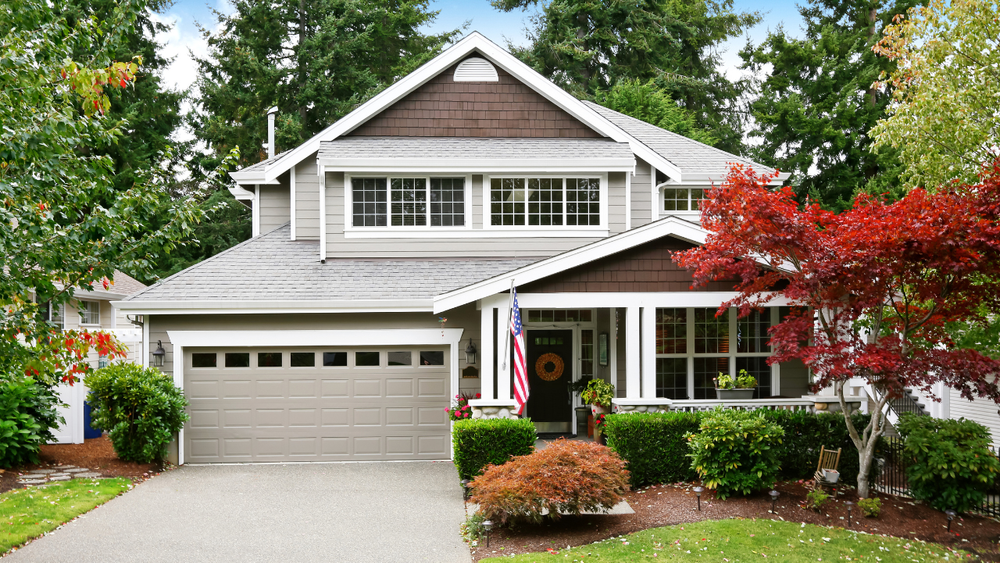
Buyers rarely say it out loud. They don’t write it in feedback. They don’t always negotiate it directly. But hesitation almost always starts before they walk inside.
The exterior of a home quietly answers a question every buyer is asking the moment they pull up:
“What am I about to deal with?”
And at the start of the year, that question matters more than ever.
Buyers Aren’t Looking for Perfect. They’re Looking for Signals
Contrary to what many sellers believe, buyers aren’t expecting perfection. They’re looking for signals—signals of care, maintenance, and attention to detail.
Curb appeal isn’t about impressing someone with design choices.
It’s about removing doubt.
When buyers see:
overgrown landscaping
worn paint or neglected trim
dark or outdated exterior lighting
dirty walkways or driveways
they don’t think, “I can fix that.”
They think, “What else haven’t they taken care of?”
That thought alone is enough to create hesitation.
Hesitation Is Expensive (Even When You Don’t See It)
Hesitation doesn’t always mean a buyer walks away.
Often, it shows up quietly:
they wait instead of acting
they offer less “just to be safe”
they tighten contingencies
they negotiate harder later
By the time price becomes part of the conversation, perception has already been set.
And perception is set early.
Why Curb Appeal Matters More Than Sellers Want to Admit
Curb appeal isn’t cosmetic—it’s psychological.
The exterior of a home frames the entire showing. A buyer who walks in already confident views the interior differently than one who’s walking in cautiously.
The power of curb appeal is that it works before logic kicks in.
If buyers feel calm and confident when they arrive, they’re more open, more receptive, and more decisive inside.
Small Upgrades That Create Big Impact
You don’t need a full exterior remodel to reduce buyer hesitation.
The most effective upgrades are often simple and affordable:
trimming landscaping and refreshing mulch
repainting or cleaning the front door
updating or brightening exterior lighting
power washing siding, walkways, and driveways
addressing visible deferred maintenance
These upgrades don’t just improve appearance.
They send a message: this home has been cared for.
And that message matters.
Why This Hits Harder at the Start of the Year
The first homes buyers see in January become their baseline.
Homes that feel clean, intentional, and maintained set the standard.
Homes that don’t get compared against them.
Once that comparison is made, it’s difficult to reverse—no matter how nice the interior might be.
Starting the year strong isn’t about timing the market.
It’s about controlling the first impression.