
The Real Cost of Building a DADU in Seattle - Stop Believing the “$250K Backyard Home” Myth
If you’ve been scrolling online or talking to contractors at open houses, you’ve probably heard it - “Yeah, you can build a DADU for around $250K.”
That’s a lie.
In Seattle, where zoning, permitting, and construction costs collide with some of the most complex utility and site requirements in the country, the real cost of a DADU is far more nuanced and far more powerful when done right.
The truth? Your DADU will likely cost between $400K and $650K all-in, depending on design, site conditions, and finish level.
Let’s break down where that money actually goes - and how smart investors are turning those costs into six-figure equity plays.
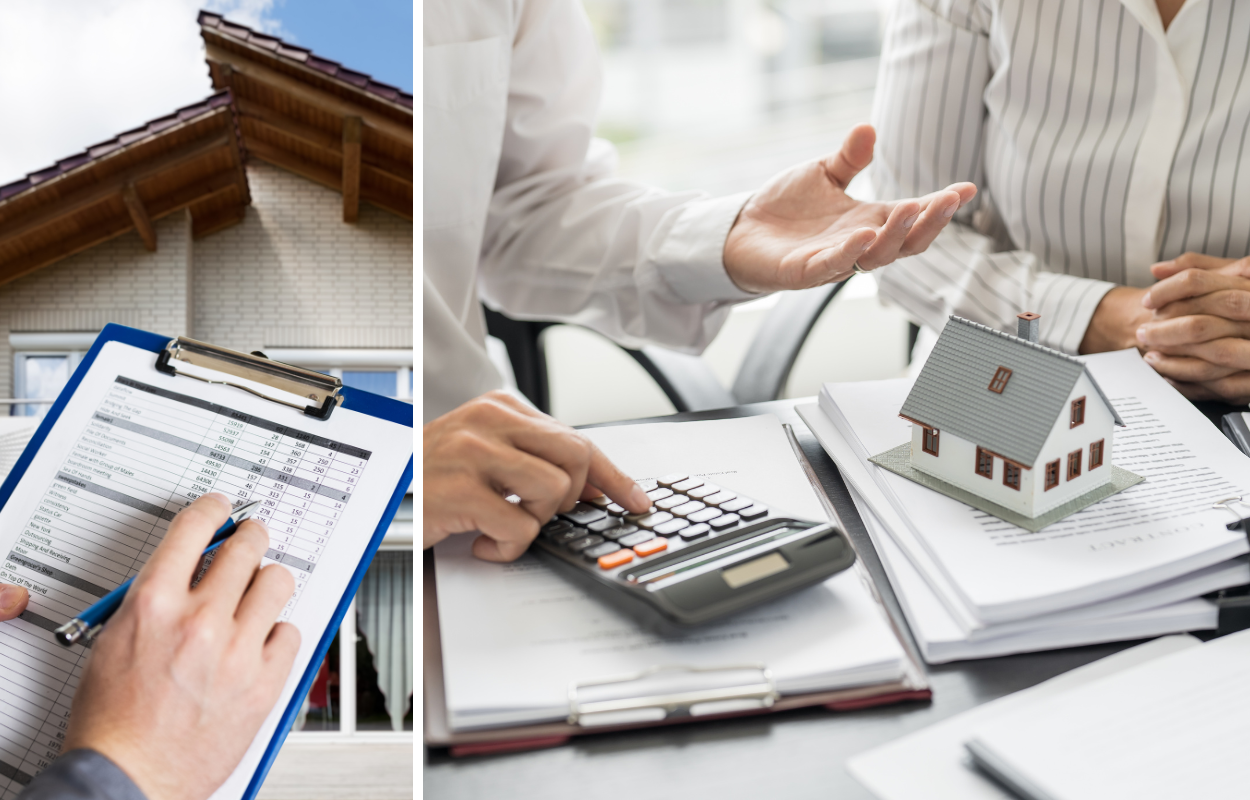
Contractors love to quote by the square foot - but that’s like judging a car by the paint color. A 750 sq. ft. DADU built behind a flat-lot rambler in Beacon Hill costs nothing like the same structure on a sloped Queen Anne lot with alley access and mature trees.
Seattle investors should expect a true range of $500–$700 per sq. ft., including soft costs.
That means a typical 750 sq. ft. 2-bed, 1-bath DADU looks like this:
Low end: $375K–$425K (basic finishes, simple site, slab foundation)
Mid-range: $450K–$550K (standard urban lot, moderate trenching, average design)
High end: $600K–$700K+ (complex site, alley relocation, premium finishes, or basement DADU)
Ignore social media quotes. Always build your budget from the ground up - site first, structure second.

Think of your DADU budget as two buckets:
Before you pour a single yard of concrete, you’ll spend on:
Survey + topography: $3K–$6K
Architectural + structural design: $25K–$35K
Permit + city fees: $10K–$20K
Engineering + energy reports: $5K–$10K
Utility coordination (SPU, SCL, PSE): $5K–$10K
Legal + condoization (if applicable): $3K–$5K
Total soft costs: $50K–$80K
These costs don’t show up in pretty renderings, but they’re what make your project legal, compliant, and financeable.
This is your framing, foundation, plumbing, electrical, roofing, drywall, and finishes - plus contingency.
Foundation: $50K–$80K
Framing + shell: $100K–$150K
Mechanical + plumbing + electrical: $50K–$80K
Finishes (flooring, cabinets, fixtures): $60K–$100K
Sitework + trenching + utilities: $30K–$60K
Contingency (10–15%): $30K–$50K
Total hard costs: $350K–$500K

Not all DADUs are created equal - and neither are their price tags.
Here are the biggest cost drivers that can make or break your budget.

Flat lot: Cheapest foundation and trenching.
Sloped lot: Adds grading, retaining walls, and drainage requirements.
Tree protection: One “significant tree” can change your entire footprint.
Add $10K–$40K for difficult terrain or environmental factors.

Seattle Public Utilities is no joke. The distance and path between your DADU and main line determines cost - not the length of the trench, but what’s in between.
Concrete driveways, retaining walls, or other utilities? Costs climb fast.
Plan for $10K–$20K in trenching on average; up to $50K+ for complicated runs.

Simple geometry = simple costs. Every corner, cantilever, or vaulted ceiling adds framing and roofing expense.
A boxy design can save $25K–$40K while still looking modern.

You’re not building a spec mansion - you’re building a smart investment.
Rental-grade: Durable LVP, quartz, matte finishes, simple trim
Resale-grade: Custom cabinetry, higher-end tile, upgraded lighting
Every “nice touch” adds cost but doesn’t always increase appraised value. Know your exit strategy.

The best DADU investors don’t see cost - they see conversion.
Example:
Purchase property: $900K
Build DADU: $500K
All-in: $1.4M
Appraised value after completion: $1.75M–$1.8M
That’s $350K+ in forced equity, plus $3,000/month in new rent or a sellable condo unit.
Pro tip: If you plan to condo-convert, design separate meters and entrances upfront. The small design tweaks early on unlock big resale potential later.

A “budget” is what you hope to spend. A “bid” is what you’re committed to.
Don’t trust verbal estimates or contractor napkin math. Real numbers come from:
A completed schematic design
A site survey + utility verification
Line-item contractor proposals with allowances and exclusions
Rule of thumb: Add 10–15% to every bid for real-world inflation, inspection delays, or material changes.

Before you ever start a build, lock in your feasibility data.
Your top three tasks:
Verify utilities. Ask for as-builts from SPU, SCL, and PSE.
Get a topographic survey. It’ll reveal slope and setbacks early.
Run a financial model. Include both rental and resale exits - know which path pays best.
If you control the data, you control the outcome.
A DADU isn’t a backyard project - it’s a mini-development. The investors winning in Seattle aren’t the ones finding the cheapest contractors. They’re the ones who understand how to budget like a builder, price like a developer, and exit like an investor.
Your DADU isn’t an expense - it’s a wealth engine. But only if you know how to count every dollar before the concrete hits the ground.