
The Utility Trap: How Ignoring Site Logistics Can Wreck Your Budget
Most new investors spend weeks obsessing over floor plans, finishes, and square footage. But that’s not what kills your profit.
The silent killer of DADU projects isn’t poor design - it’s poor site logistics.
You can have the most beautiful renderings in the world, but if your sewer’s too shallow, your power’s overloaded, or your water main’s across the street, your “affordable” build just turned into a six-figure headache.
Before you pour a single yard of concrete, you need to know one thing:
Can your lot actually support your project?
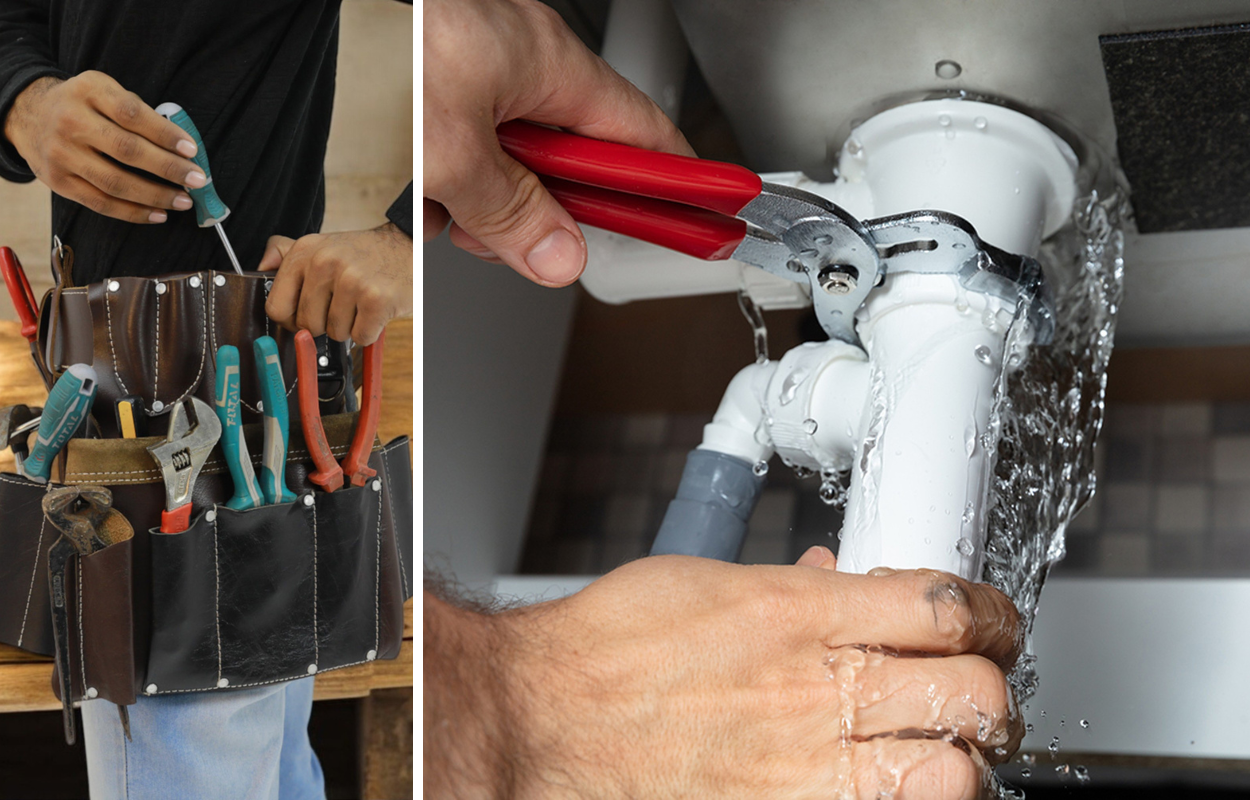
Here’s the mistake: people assume utilities are simple.
They see a water meter, assume they’re good.
They see power lines, assume capacity’s fine.
They forget that how you connect matters far more than if you connect.
90% of “surprise” costs in backyard development come from underground - not inside the walls. If you don’t evaluate your site’s infrastructure early, you’re setting yourself up to bleed cash before the build even starts.

The #1 budget-buster in DADU construction is sewer depth and access.
Seattle lots vary wildly. Some have deep, direct sewer mains in the alley. Others require you to trench through your main house, across a concrete driveway, or 100 feet to the street.
Each scenario changes your costs - dramatically.
Here’s what to check:
Sewer location: Alley, street, or shared line?
Sewer depth: Minimum 8 feet for gravity flow; shallower means pumps.
Path of connection: Are there obstacles like trees, retaining walls, or existing structures?
If your sewer is higher than your DADU pad elevation, you’ll need an ejector pump ($10K–$25K) plus ongoing maintenance risk.
Always request as-builts from Seattle Public Utilities (SPU) before closing on a property. Don’t trust assumptions or realtor guesses.

Your DADU needs its own pressurized water source. If your existing main line is undersized (¾" or smaller), you’ll face low pressure or replacement costs.
Check for:
Existing line size and material (many older homes use galvanized steel - not compliant for new builds).
Location of your water meter (same side of the street or across it?).
Backflow preventer requirements (city-mandated in many cases).
Budget impact: Replacing or extending a water main can cost $8K–$20K - more if you need to cut into a city street.
If the meter’s on the opposite side of the street, call SPU for a cost estimate before you submit your permit. Street cuts trigger major city fees.

Every DADU needs power, but not every lot can handle it.
Your main house may already be maxed out on electrical load. Adding a DADU means additional breakers, new panels, or even transformer upgrades.
Here’s what to confirm:
Existing service size (100A, 150A, 200A?).
Location of the transformer and utility pole.
Whether Seattle City Light allows secondary service or requires panel sharing.
If you share a panel, future condo conversion becomes complicated - separate meters are always better.
Cost range: Simple tie-in: $3K–$7K. Full upgrade with trenching or new transformer: $10K–$25K.

Gas isn’t always essential, but if your design depends on it (for heat, hot water, or cooking), verify access early.
Ask:
Does PSE have an existing lateral line?
Is your house already maxed on BTU load?
What’s the distance from your DADU to the tie-in?
Even if you plan to go all-electric, check gas lines for safety and future flexibility - it can increase property value and resale appeal.
Seattle’s stormwater code is no joke. Every new DADU triggers drainage review, which can mean infiltration tests, drywells, and costly site work.
Expect:
Civil engineering design requirements.
Percolation testing ($1K–$2K).
Drywell installation ($5K–$15K).
Red flag: If your lot has poor infiltration or clay soil, drainage solutions will add major cost and delay.
Ask your architect or engineer for a simplified drainage plan early in design - you’ll save weeks in permit revisions.

Utilities can’t trench through root protection zones. If a “significant tree” sits in your path, you may have to redesign the utility route entirely.
That’s not a $500 issue - it’s often a $10K–$30K redesign.
Hire an arborist during feasibility, not after submittal. City planners will always side with the tree.

When you skip utility and site logistics, you’re not just risking delays - you’re risking your ROI.
Example:
An investor buys a $900K property expecting a $450K DADU build. Midway through feasibility, they learn:
Sewer runs under the house (add $25K).
Water line undersized (add $10K).
Electrical upgrade required (add $8K).
Now their $450K project is $493K - before contingency. And because those costs hit early, they also delay permitting, loan draws, and build scheduling.
Every dollar you spend on site verification upfront saves you five mid-build.
Use this Utility Feasibility Checklist before you make an offer:
Request SPU as-builts (water/sewer).
Confirm electrical service capacity with Seattle City Light.
Verify gas availability with Puget Sound Energy.
Schedule a site walk with your architect or builder.
Identify tree root zones and slopes early.
Add 10–15% contingency for site logistics in your budget.
Don’t rely on assumptions. Every city department (Seattle Public Utilities (SPU), Seattle City Light (SCL), and Puget Sound Energy (PSE) will happily provide data - if you ask before you buy.
The difference between a smooth DADU build and a financial nightmare usually runs beneath your feet.
You can’t afford to guess on utilities, sewer depth, or service loads.
Your lot’s infrastructure determines your cost, your timeline, and your profit.
Don’t fall into the utility trap. Do your due diligence before you buy, plan with precision, and treat site logistics like the foundation of your success.
Because in this business, smart investors don’t just build - they verify first.