What Today's Families Are Telling Us About the Future of Housing
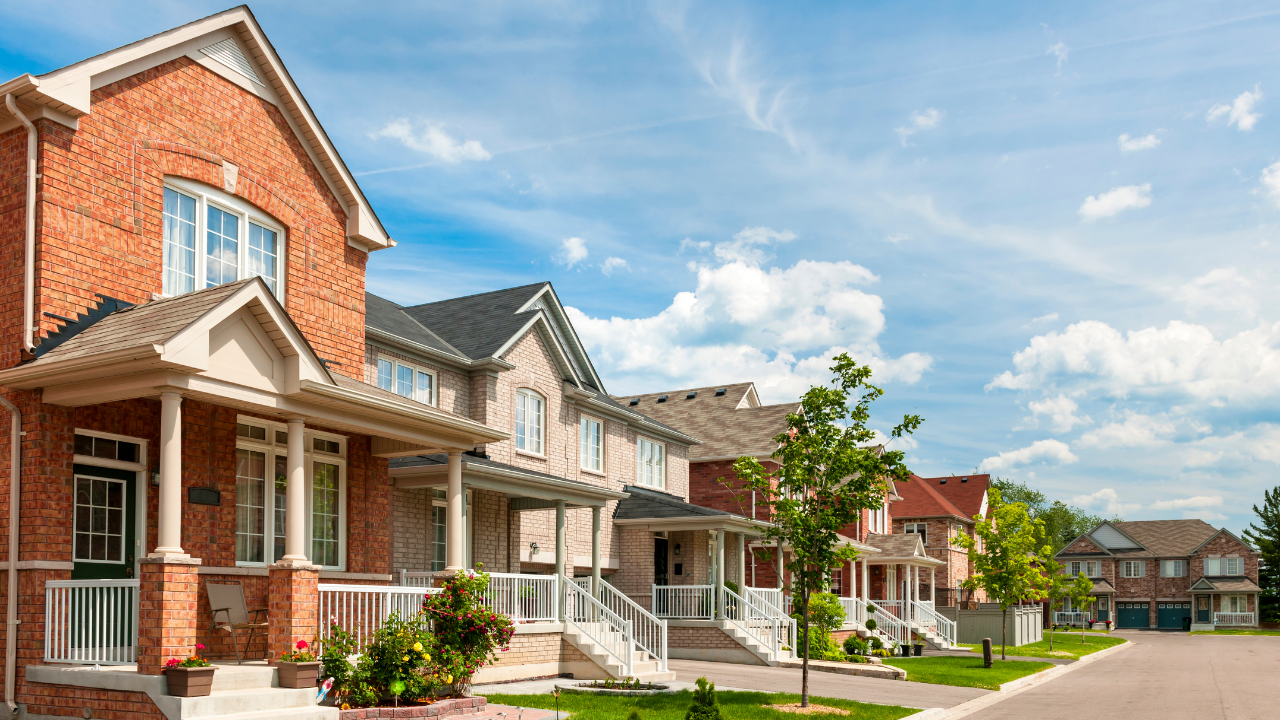
Something is shifting inside the American home, and it has nothing to do with paint colors or open concept kitchens. It has to do with who is actually living under the roof.
Multigenerational buying peaked at 17% of all home buyers in 2024, the highest share ever recorded. The latest NAR data shows that number has eased slightly to 14% in 2025. But don't read that dip as a trend reversing. Read it as a market catching its breath while the underlying pressure keeps building. Families are still telling the housing market something important, and the smart players are still listening.
Families aren't choosing multigenerational living because it's trendy. They're choosing it because the math finally makes sense.
Here's what that means if you're buying, selling, or investing in real estate right now.
The Story Behind the Numbers
Generation X leads this shift, at 19% of buyers in 2025, down slightly from 21% the year before but still well ahead of every other generation. Older Millennials come in second. But the number that really tells the story predates the recent dip: in 2024, 36% of homebuyers said cost savings was their primary reason for buying a multigenerational home, up from just 15% in 2015.
That's more than double in less than a decade, and it's the kind of shift in why people buy that doesn't reverse just because the how many ticks down for a year.
Look closer and a familiar picture emerges. The sandwich generation, adults caring for aging parents and their own kids at the same time, is under more financial pressure than ever. In 2024, 21% of respondents said adult children over 18 had moved back home, up from 11% in 2015. Another 20% said their adult children or relatives had never left home at all, compared to just 7% in 2015.
These aren't isolated stories. They're a pattern, and patterns move markets.
As of 2024, 1 in 4 homeowners live in a multigenerational household. This way of living has quadrupled between 1971 and 2021, and it now touches nearly 60 million people, about 18% of the U.S. population. This is no longer a niche lifestyle choice. It's mainstream.
Why Families Are Making This Choice
Two forces are pushing families toward this decision, and both point to the same conclusion: the traditional single-family, single-generation home no longer fits how many people actually live.
Affordability. Nationally, the median existing-home price hit an all-time high of roughly $440,000 in mid-2026. Here in San Jose and across Silicon Valley, that number looks almost quaint. The median home price in San Jose sits around $1.45 to $1.5 million, and Santa Clara County's median single-family home price crossed $1.9 million in 2024, nearly triple the statewide average. For a huge share of local buyers, pooling resources across generations isn't a lifestyle preference. It's the only realistic path to ownership in this market. Add mortgage rates still sitting in the mid-6% range, and the math behind multigenerational buying gets even more compelling here than the national numbers suggest.
Silicon Valley's demographics likely push the local multigenerational share above the national 14 to 17% figure too. This is one of the most Asian American metro areas in the country, and multigenerational living is a long-standing, culturally embedded pattern in many of those communities, not a new response to prices. Combine that cultural baseline with some of the highest housing costs in the nation, and it's a safe bet more South Bay households are living multigenerationally than the national average shows, even without an exact local figure to point to.
Eldercare. The second biggest driver behind multigenerational buying is caring for aging parents, cited by 25% of buyers. As more seniors want to age in place and long-term care costs keep climbing, families are choosing to keep loved ones close instead of sending them to a facility.
For buyers and sellers, this is the context behind every showing and every offer right now. For investors, this is a demand signal with real staying power.
If You're Buying: What to Look for in a Home That Actually Works
Families searching for a multigenerational home aren't just counting bedrooms. They're evaluating whether a floor plan can hold two or three generations without anyone feeling cramped, exposed, or like a guest in their own home. Here's what's been rising to the top of buyer wish lists in the most recent design cycle, and what's still holding true today.
Dual primary suites. This is the single biggest shift in floor plan design. Two bedrooms, each with a full bathroom, a real closet, and private or semi-private access. It's not an extra room bolted on. It's two full living quarters under one roof, giving both generations independence and dignity.
Main-level living. Families increasingly want at least one primary bedroom, bathroom, kitchen access, and living space on the main floor, with no stairs required. If every bedroom is upstairs, you're ruling out a growing share of today's buyers.
Thoughtful privacy design. The homes that actually function well have bedroom wings positioned at opposite ends of the house, short hallways that buffer noise, semi-private entries into suites, and floor plans that avoid direct sightlines into bedrooms. Two primary suites that both open straight into the living room might look private on paper. They rarely feel that way in real life.
Flexible spaces. Rooms that can shift purpose over time, an office that becomes a bedroom, a bonus room that becomes a guest suite, a garage bay with future potential, are increasingly non-negotiable. Family needs change. The best homes change with them.
ADU potential. More families want an accessory dwelling unit that feels like part of the original design, not an afterthought. If you're buying with an eye toward flexibility, check what the lot allows before you fall in love with the house.
If You're Selling: How to Position Your Home for This Buyer Pool
If your property has any of the features above, don't bury them in the listing description. Multigenerational buyers are actively searching for these specifics, and homes that clearly communicate this fit tend to move faster and attract more competitive offers.
Walk your own floor plan the way a multigenerational buyer would. Can someone reach a full bathroom and bedroom without stairs? Is there a suite that offers real privacy, not just a door? Could a bonus room or garage become a private living space down the road? If the answer is yes, that's a selling point worth highlighting front and center, not a detail buyers have to discover on their own during a walkthrough.
If You're Investing: The Long-Term Case
For investors, this trend checks every box that matters: it's demographically driven, economically reinforced, and durable, even as the headline share of multigenerational buyers eases up or down year to year.
The ADU math is compelling, especially here. Detached ADUs typically cost between $220,000 and $450,000 to build, while garage conversions run $90,000 to $180,000. Building one can increase property value by up to 30%, with detached units delivering the strongest returns. San Jose and the broader South Bay have some of the most ADU-friendly zoning and permitting processes in the state, which matters more here than almost anywhere else given how tight lot supply and land costs are across Santa Clara County.
The rent case is just as strong. Multigenerational households often bring dual incomes or pooled resources to the table, which can support rents above standard market rates, provided the property genuinely delivers privacy and accessibility rather than just extra square footage.
And the underlying pressure isn't easing. Housing affordability, eldercare costs, student debt, and delayed family formation aren't resolving anytime soon. Household arrangements where parents moved in with adult children, or adult children moved back with parents, surged during and after the pandemic compared to the 2011 to 2019 trend, and that shift has held. A year-over-year dip in the multigenerational buying share says more about who could get a home this year than about families changing their minds on how they want to live.
Properties built to serve this demographic tend to stay in demand regardless of interest rate swings or broader market cycles, because they solve a housing mismatch that isn't going away.
The Takeaway
Families are telling us, loudly and consistently, that the home of the future needs to flex. It needs to hold more than one generation with dignity, privacy, and room to grow. Buyers are searching for it. Sellers who understand it are winning faster sales. Investors who build for it are securing demand that outlasts any single market cycle.
Before your next purchase, sale, or investment decision, run the property through this lens. Count the primary suites. Check for main-level living. Study the privacy design. Look into the ADU potential.
The families have already spoken. The only question left is who's listening.