ADU vs DADU in California: Which Makes More Sense for Your Property?
You've heard the hype about Accessory Dwelling Units (ADUs). Maybe you've even started pricing contractors. But here's where most people screw up: they don't understand the difference between an ADU and a DADU - and that confusion can cost you tens of thousands of dollars in wasted investment or, worse, a unit that doesn't pencil out.
Let me break this down so you can make the smart play for your property.
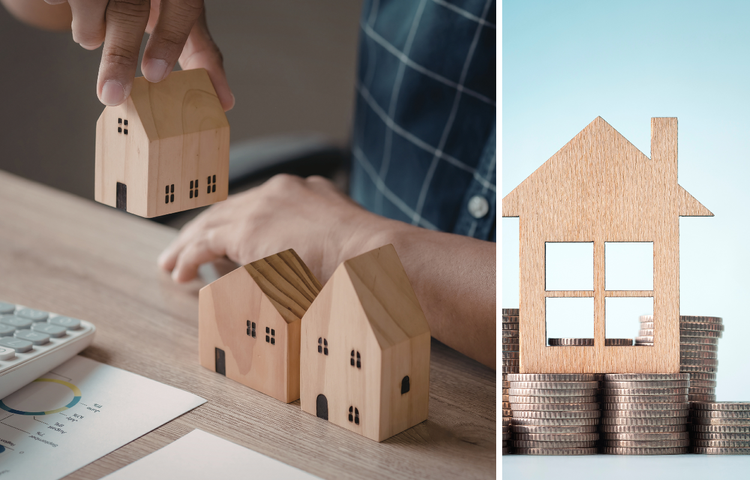

ADU (Accessory Dwelling Unit): This is the umbrella term. It's any secondary housing unit on a single-family residential lot. Think of it as the category.
DADU (Detached Accessory Dwelling Unit): This is a type of ADU - specifically, a standalone structure separate from your main house. It's the backyard cottage, the converted garage sitting apart from your home, or that brand-new mini-house you build from scratch.
Here's the kicker: In California, you can also build attached ADUs (connected to your main house), JADUs (Junior ADUs, carved from existing space), or garage conversions. The DADU is just one option in your ADU toolkit.
Most investors hear "ADU" and immediately picture a detached unit. That's a mistake. The right choice depends on your property, your budget, and your goals.

A detached unit isn't just about adding square footage - it's about maximizing privacy, rental income, and property value. Here's when you should seriously consider going detached:

If you're sitting on a lot with 5,000+ square feet and decent backyard space, a DADU lets you capitalize on unused real estate without sacrificing your main home's footprint.

Privacy commands premium prices. A separate entrance, no shared walls, and its own outdoor space? That's easily $200-500 more per month in rent compared to an attached unit in most California markets.

Got aging parents or adult kids who need independence but want to stay close? A DADU gives them their own sanctuary while keeping family nearby.

Detached units offer maximum versatility—use it as a rental today, an Airbnb tomorrow, a home office next year, or sell the property with a premium "two homes on one lot" pitch.

In high-demand areas like Los Angeles, San Diego, or the Bay Area, DADUs can run $150,000-$400,000+ to build. But if you're pulling in $2,000-$3,500/month in rent, you're looking at a potential 6-10% cash-on-cash return. That beats most stock portfolios.

Don't let ego drive your decision. Sometimes the attached or converted route is the wealth-building play.

If you're working with a smaller urban lot (under 5,000 sq ft) or limited setback space, attached ADUs or garage conversions make regulatory sense. California's ADU laws are friendly, but physics still matters.

Attached ADUs and conversions typically run 20-40% cheaper than new detached construction. You're using existing foundation, walls, and utilities. If you're bootstrapping this investment, that cost difference is everything.

Conversions can be completed in 3-6 months versus 9-18 months for new detached construction. Faster completion means faster cash flow and less carrying cost.

Some California ADU financing programs and local incentives favor conversions or attached units, especially if you're keeping one unit as your primary residence.

One structure, one roof, shared systems. Your long-term maintenance costs stay leaner with attached units.

DADU new construction: $150,000-$400,000+ depending on size, finishes, and location. Expect $200-$300 per square foot in most California markets. Permitting, utility connections, and site prep add another $20,000-$50,000.
Attached ADU: $100,000-$250,000 for most builds. You're saving on foundation work and utility runs.
Garage conversion: $80,000-$180,000 depending on condition and scope. The structure exists—you're just making it livable.
JADU (carved from existing home): $50,000-$100,000. The budget option, but limited in size (500 sq ft max) and rental income potential.
Here's the question you need to answer: What's your ROI timeline? If you're playing the long game and sitting on appreciating California real estate, the DADU's higher upfront cost can pay off in equity gains and rental income over 10+ years. If you need cash flow now and capital is tight, conversions win.

Since 2020, California has become the most ADU-friendly state in the nation. Here's what you need to know:
Ministerial approval: Most ADUs now get approved without discretionary review. Translation: less red tape, faster permits.
Reduced setbacks: Many jurisdictions allow 4-foot rear and side setbacks for DADUs, making tight lots workable.
No parking requirements: In most cases, you don't need to add parking spots for your ADU. Huge win in urban areas.
Impact fee waivers: ADUs under 750 sq ft often qualify for impact fee waivers, saving you thousands.
Separate sale restrictions lifting: Some cities are exploring allowing ADU condoization - selling your DADU separately from the main house. This could be a game-changer for exit strategies.
These laws aren't just bureaucratic changes, they're wealth-building opportunities disguised as policy updates.

Stop overthinking this. Pick your path, here's your decision tree:
Choose a DADU if:
You have 5,000+ sq ft lot size
Maximum rental income is the priority
You want future sale/exit flexibility
Privacy matters (for you or tenants)
You can access $150,000+ in capital
Choose an attached ADU or conversion if:
Lot size is limited (under 5,000 sq ft)
Budget is tight (under $150,000)
Speed to cash flow matters
You're owner-occupying one unit
Lower maintenance costs are priority
Neither choice is "wrong", but one is right for your situation. The investors who win are the ones who run the numbers, not the ones who build what looks cool on Instagram.

The biggest error I see? People design their ADU/DADU based on personal taste instead of market demand.
Your future tenant doesn't care about your farmhouse aesthetic or vaulted ceilings. They care about: functional layout, in-unit laundry, good natural light, and modern kitchens/bathrooms. Build for the market, not for your Pinterest board.
Run comps. What are similar ADU rentals getting in your neighborhood? What features do they have? Design to hit that price point with the lowest construction cost possible. That's how you maximize ROI.
ADUs and DADUs aren't just trendy real estate buzzwords—they're legitimate wealth-building tools in California's insane housing market. Whether you go detached or attached depends on your property constraints, capital situation, and income goals.
But here's what's non-negotiable: doing nothing. Every month you sit on that empty backyard or unconverted garage is a month of lost rental income and unrealized equity gains.
California has handed you the regulatory framework. The housing shortage has handed you the demand. Now you just need to execute.
This Is a Wealth-Building Decision
ADUs are tactical. DADUs are strategic.
Both can work - but only if they match your property, capital, and goals.