Utility Hookups Every New Investor Misses
Most new real estate investors obsess over purchase price and location - then get blindsided by a $40,000 utility hookup bill that kills their entire deal.
I've heard of countless would-be landlords and fix-and-flip investors walking away from properties because they didn't understand utility infrastructure. Meanwhile, savvy investors who know how to navigate sewer, water, power, and gas hookups are scooping up "problem properties" at massive discounts and turning them into cash-flowing assets.
Let me break down what you actually need to know about utility hookups - the costs, the timelines, and the strategies that separate profitable investors from everyone else.
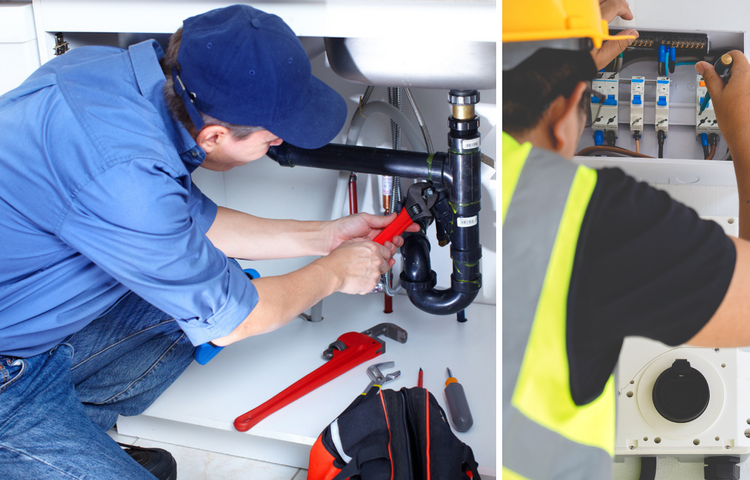
Why Utility Hookups Matter more than you think
Here's the reality: a property without proper utility connections is essentially worthless. You can't rent it, sell it conventionally, or even legally occupy it in most jurisdictions. But here's the opportunity - properties with utility issues trade at steep discounts because most buyers run scared.
Understanding utility hookups gives you three massive advantages:
Negotiating power. When you know the actual cost to connect utilities, you can make informed offers while other buyers are guessing.
Deal-finding ability. You can pursue off-market properties that others won't touch.
Profit margins. Properties with utility challenges often sell for 20-40% below market value- your hookup costs might only eat up 10-15% of that discount.
The Four Essential Utility Hookups

Water hookups typically cost between $3,000 and $15,000 for standard residential properties, but that number can explode based on distance from the main line and local regulations.
What you're paying for:
Tap fees (the municipality's connection charge)
Physical installation of the service line from the street to your property
Meter installation and inspection fees
Possible impact fees for new construction
Red flags that spike costs:
Property is more than 100 feet from the water main
You need to bore under roads, driveways, or other structures
Local water system is at capacity (may require infrastructure upgrades)
Historical district or environmental restrictions
Before making an offer, call the local water department and ask for a "will serve" letter. This document confirms they can provide service and often includes estimated connection costs. It's free information that can save you tens of thousands.

Sewer connections are where investors get destroyed financially. Standard costs run $5,000 to $20,000, but I've seen bills exceed $50,000 when properties are far from existing lines.
Two types of systems:

requires connection to the public system. You'll pay tap fees, installation costs, and potentially capacity fees if you're adding density.

are necessary when municipal sewer isn't available. New septic installation runs $10,000 to $30,000 depending on soil conditions, system size, and local regulations.
The math that matters: Calculate cost per foot from the property to the sewer main. Under 50 feet? Usually manageable. Over 200 feet? Start sweating. Beyond 500 feet? You might need to rethink the entire deal unless the discount is massive.
Critical question: Is the property in a "mandatory connection" zone? Some municipalities require connection to municipal sewer within a certain timeframe once it becomes available, even if you have a functioning septic system. This can turn into a forced $15,000+ expense that kills your cash flow.

Electrical hookups are typically the easiest utility to handle - until they're not.
Standard scenario: $500 to $3,000 for basic residential service connection. The utility company runs the line, installs the meter, and you're operational within a few weeks.
Nightmare scenario: $20,000+ when you need:
Underground service in areas with overhead lines
Upgraded transformer capacity
Long-distance service extensions
Three-phase power for commercial properties
Smart investor strategy: Contact the local power company before closing. They'll send someone out for a site assessment, usually free. Ask specifically about:
Service availability at the property
Timeline for connection
Who pays for what (utility company vs. property owner)
Any required upgrades to existing infrastructure
Hidden opportunity: Some rural electric cooperatives offer economic development incentives that can offset connection costs for income-producing properties. Always ask.

Natural gas is the only utility that's truly optional for most residential properties, you can use electric alternatives for heating, cooking, and water heating.
Typical costs: $1,500 to $8,000 for standard residential connection where gas mains exist nearby.
When to skip it: If gas lines aren't within 100 feet of your property, seriously consider going all-electric. Modern heat pumps and electric appliances make gas less essential than it once was, and you avoid the hookup cost entirely.
When to prioritize it: In cold climates with expensive electricity, gas heat can be a significant selling point for tenants and buyers. Run the numbers on operating costs vs. connection costs.
The Due Diligence Process That Saves Deals
Here's your step-by-step system for evaluating utility hookups before you buy:
Step 1: During your initial property evaluation, identify what utilities are currently connected. Check for existing meters, junction boxes, and septic tank locations.
Step 2: Contact each utility provider and request connection information. Ask for cost estimates in writing if possible.
Step 3: Get three quotes for any necessary installation work. Municipal tap fees are fixed, but installation labor varies wildly between contractors.
Step 4: Build these costs into your offer. If utilities will cost $25,000 to connect, that comes straight off your maximum purchase price.
Step 5: Make utility connections contingent in your purchase contract. If actual costs exceed estimates by more than 15-20%, you want an out or a renegotiation option.
Creative Solutions for High-Cost Hookup Properties
Smart investors don't just calculate costs, they find ways around them.

Buy the property at a steep discount with seller financing, then connect utilities over time as cash flow allows.

Find a buyer willing to handle utility connections in exchange for favorable purchase terms.

In rural areas, well water and septic can be cheaper than municipal connections. Solar power with battery backup might beat electrical grid connection for remote properties.

For larger parcels, connect utilities to one building first, generate income, then expand infrastructure using positive cash flow.
The Biggest Mistakes Investors Make
Assuming utilities are connected. Never assume—always verify before closing.
Ignoring capacity issues. Just because there's a water line doesn't mean it can support additional connections without system upgrades.
Skipping the inspection. Existing utility connections can be damaged, outdated, or illegal. Always inspect what's already there.
Forgetting ongoing costs. Connection fees are one-time, but don't forget monthly service charges, minimum fees, and capacity charges that affect operating expenses.
Missing permit requirements. Utility work requires permits and inspections. Budget time and money for the bureaucracy.
When to Walk Away
Some properties aren't worth the utility investment, no matter how cheap they seem:
Connection costs exceed 25% of after-repair value
Municipal systems are at capacity with no expansion timeline
Environmental restrictions make connections prohibitively expensive
The property would need to be vacant for 6+ months during utility work in a market where you're financing the purchase
Know your numbers, know your exit strategy, and don't let ego keep you in a bad deal.
Utility connections are unglamorous, paperwork-heavy, and easy to underestimate, which is exactly why they create opportunity for educated investors.
While amateurs are running from properties with utility challenges, you can be the investor who swoops in with accurate cost projections, negotiates massive discounts, and builds serious equity through smart problem-solving.
The difference between a profitable deal and a money pit often comes down to a single phone call to the water department or a conversation with a septic installer.
Do the due diligence. Run the real numbers. And don't let utility hookups scare you away from potentially lucrative deals.
Utilities Are the Foundation of Wealth-Building Projects
Pretty finishes don’t matter if the unit can’t flush, power up, or pass inspection. Utilities are infrastructure—and infrastructure is leverage.
If you want fewer surprises, cleaner timelines, and deals that actually pencil, you need systems—not guesses.
Follow me for real-world investor breakdowns
Download my free utility & feasibility checklist (link in bio)
Join my email list to get build-ready frameworks before you break ground
Build smart. Build once. Build for the long game.