Episode 87 - CJ Catrambone on Real Estate Development, Capital, and Risk
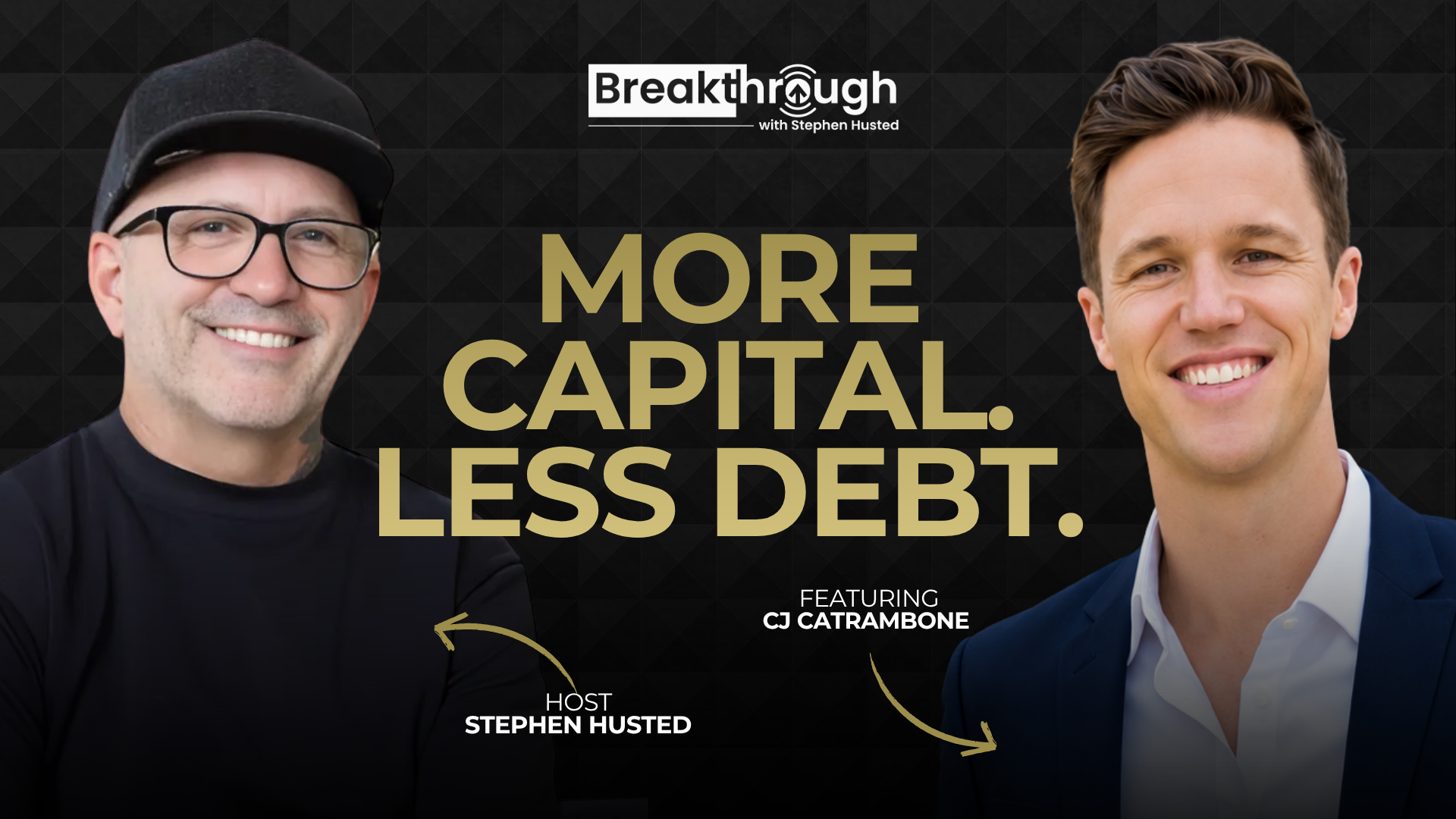
Today's guest is CJ Catrambone, a real estate developer based in San Diego who owns a full-scale development company handling everything from acquisition and capital raising to feasibility, permitting, architecture, and construction. CJ grew up in construction, working alongside his father and wearing a tool belt from age 10 through 21. Seeing his father operate as a general contractor eventually led CJ to realize that he wanted to be on the ownership and development side of the business. His first real estate purchase was an eight-plex outside Nashville, but after realizing he wanted to be more hands-on, he moved into flipping in his own backyard. He eventually completed roughly 50 to 60 flips before scaling into ground-up development. A major advantage of CJ's current model is keeping much of the development operation in-house. He says having people on salary allows his company to build for roughly 30 to 40% less than many competitors in San Diego. We talk about San Diego's changing development landscape, including new zoning and density incentives that have created opportunities for infill developers. CJ explains how increased supply has also created a gap between what sellers want and what buyers are willing to pay. We also get into one of CJ's current projects, a roughly 10,000-square-foot building that is being converted into large Airbnb units. The project is expected to increase gross revenue from approximately $120,000 to $550,000–$600,000 per year. Finally, CJ shares his advice for anyone looking to get into development: education plus action equals results. He recommends learning the fundamentals, surrounding yourself with the right people, starting small, underwriting plenty of deals, and ultimately getting that first deal done.
STEPHEN AND CJ TALKED ABOUT:
00:00 CJ's real estate development business
03:47 CJ's first real estate purchase
05:29 Building the right development team
10:18 Finding off-market development opportunities
16:05 Why you need to read your construction bids
31:04 How much capital do you really need?
32:06 Why CJ is using less leverage
34:40 The Airbnb conversion strategy
35:56 Turning $120K in revenue into $550K–$600K
46:00 Why real estate is a generational game
TRANSCRIPT
∎ Teaser / Highlighted Clip
00:00 CJ Catrambone: When I got started, I was all like leverage, like more deals, leverage. And then the more I do this, I'm using less and less leverage in my deals. And I'm like, the returns may be smaller, but our cost of capital is much lower and there's less risk. Right.
00:14 Stephen Husted: And your stress level.
00:15 CJ Catrambone: We can weather the storms. Yeah. So like we're raising more capital than we need and using less leverage. And I'm totally cool with it. Right.
00:23 Stephen Husted: One of my agents out in Seattle. Yeah. He's an investor. He builds. develops builds adus but he also works at amazon and he's a cpa
00:36 Stephen Husted: and i'm not i do not get a spreadsheet in front of me don't run those kind of things i'm terrible yeah that's why i hired him yeah because i know he's gonna just dive into the numbers and everything about that and i can focus on location kind of house i want to build finishes the things that i love to do And that's why I chose him. Like if he did that, I'm leaving something on the table. I want him to have something that I don't have. And he's great at it. You can underwrite a deal and it's so dialed in. So all I'll have to do is look at it and go, okay, yeah, cool. I can bring this to my partner.
∎ Podcast Intro:
01:11 Stephen Husted: I'm Stephen Husted and you're listening to The Breakthrough Podcast, a space designed for clarity, curiosity, and the stories that move us. Here, we step away from the noise and into the moments that define us. The early influences, the hidden struggles, and the breakthroughs that reshape our lives. From personal reinvention to building a life through real estate and entrepreneurship, these conversations remind us that success isn't a straight line. It's a series of honest decisions, brave actions, and small shifts that change everything. This is where those stories live. Let's begin.
∎ Guest Introduction:
01:49 Stephen Husted: Here with us today is CJ Catrimbone, a real estate developer and investor based in San Diego, California. CJ grew up working alongside his father in construction before moving into real estate investing, starting with an eight plex outside of Nashville and eventually completing more than 50 flips before scaling into development. Today, he runs a full-scale development company handling everything from acquisitions and capital raising to feasibility. permitting, and construction with a focus on infill development throughout San Diego. He's also built a strong team around him using local experts, strategic partnerships, and technology to scale while keeping his projects lean. In this episode, CJ shares what it really takes to get started in development, why education and taking action go hand in hand, how to build the right team, and why AI is becoming such a powerful tool for developers. Stay tuned for an honest look at development, partnerships, capital, and building a real estate business for the long game. Let's dig in.
∎ Podcast Proper:
00:36 Stephen Husted: CJ, thanks for jumping on today.
03:02 CJ Catrambone: Yeah, appreciate having me.
03:03 Stephen Husted: Yeah, I'm glad we were able to lock you down.
03:06 CJ Catrambone: It's been a crazy summer.
03:09 Stephen Husted: Yeah, you've been busy, huh? More travel,
03:12 CJ Catrambone: sick, a few things.
03:14 Stephen Husted: Yeah, how's everything been going?
03:17 CJ Catrambone: Life is good, man. Summer in San Diego has been honestly perfect. We have this super El Nino. Weather has been amazing. The water's warm. So the fishing has been insane. I'm out of surf with a wetsuit in a few months. So that part's good. Works crazy as always. Trying to scale this thing, but stay sane at the same time. So that's
03:40 Stephen Husted: a pretty interesting balancing act to
03:42 CJ Catrambone: do. Yeah, it's hard, especially when you're doing well and there's a lot of opportunity. It's hard to not bite off more than you can chew. So kind of learning that firsthand.
03:50 Stephen Husted: How do you keep yourself sane? As far as what you're doing in your business, what is your key role?
03:56 CJ Catrambone: Yeah, so I mean, I own a full-scale real estate development company. So we do everything from acquisition to syndicating capital to feasibility permits. We run that in-house with an architect. And then I have my GC license. So that's probably the core of my business. It's kind of where we win. So we build our own projects. A lot of those, all the people in the development actually have on salary. So we're able to build for, I would say, 30 to 40% less than a lot of my competitors here in San Diego. And yeah, we'll, you know, depending on the deal, if we raise capital or use our own capital, we'll sell those assets or just hold them, sit on them. The market's a little funky, so we're sitting on more things.
04:36 Stephen Husted: Yeah, how's it been in San Diego right now? What do you, as far as your, I'm sure every project has some type of exit strategy that you're trying to pull off. What has been, is the market in San Diego been softening a little bit where you'd have to rethink your exit?
04:51 CJ Catrambone: Yeah, so with San Diego, it's kind of like a mini gold rush. So this city basically changed a lot of zoning and created a lot of incentives for what we call like infill developers. which I consider myself. So not the big guys doing 100 plus units, but then not like the mom and pops, just like flipping houses is adding anywhere from two to 30 ADUs on their properties. And so city changed some zoning, created some density incentives. So a lot of developers got in and took advantage of that. So there's been a lot of supply coming to market. And as a result, sellers think they can get the premium. They're thinking they can get a five cap like they could a year or two ago. And then buyers are like, hey, there's a big supply. And so there's this kind of weird shift where all the developers want to sell at a five cap. Buyers want to buy at a six cap. Can you meet in the middle, get a deal done? So that's kind of it. I mean, it's still San Diego, right? It's a good market. It's an appreciation market.
05:47 Stephen Husted: So I found you on YouTube. Like when you first started one of your first projects that you put on YouTube. And then I started seeing you posting the other projects. And it was interesting. Well, one, you got better at making YouTube videos. just breaking it down you start from that first one and start going through it and i think the last one that i was paying attention to was the airbnb play you're doing in that commercial building it seemed like it was in downtown san diego or somewhere around there that one looks super cool yeah well you come from a family of that was in construction yeah so my pops was
06:19 CJ Catrambone: a true general contractor and so that meant meant i wore a tool belt from 10 to 21 so my summers after school building building custom homes. So I have that background, but my pops wasn't on the finance side. He was an owner of these. So I saw him making his fee. And, but I saw everyone that was paying him and I was like, that's where I want to be. And so that's kind of why I'm a developer versus a true GC.
06:43 Stephen Husted: What was your first real estate purchase you did?
06:46 CJ Catrambone: First real estate purchase was a eight plex in right outside of Nashville. So it was three bed, two bath, eight units. I think it was like 700 grand back then when I bought it and spent probably 90% of what I had in my checking account on it. So it went all in and then it's kind of figured out I didn't really want to be a passive investor in the Midwest, especially when I have a skillset. But I mean, luckily everyone that bought something back then made money just because of the crazy bull run we had.
07:17 Stephen Husted: What year is that?
07:18 CJ Catrambone: Oh gosh, time flies. It's probably like seven years ago. Okay. So I held it for a year and a half, whatever it was. And then got rid of everything I had out there and started flipping in my backyard. Did probably, I don't know, 50, 60 flips. Doing probably one a month for a while. And then built a house and started scaling up the development business.
07:36 Stephen Husted: Yeah, you get that one house built and it's just like, you're like, oh, okay. So much better. I can do this. And it's a little bit, there's a lot of... Upfront things you have to do, utilities and feasibility, things like that. Exactly. That groundwork can get some surprises there. But once you go vertical,
07:53 CJ Catrambone: it's kind of
07:54 Stephen Husted: pretty straightforward. You can actually really time things out. And then I think once you build that first one, it's kind of like you're off of the races.
08:04 CJ Catrambone: You're either off the races or you're never going to do it again. That's true. That's right. It's one or the other. I don't want to do this ever again. It's one or the other. Which is why I tell so many people to start small. Because I'm like, dude, you know, just do one and see. Evaluate. You can always go bigger after that.
08:18 Stephen Husted: What do you find to be your, what is your absolute skill set? What are you just super good at? And what are the things that you just like? Okay, I got to pass this off to my team and everybody else.
08:28 CJ Catrambone: Yeah, I mean, so the things I don't like. I mean, I'm like a big believer in like the who, not how. Right. It's kind of like everything. I don't really need to know how to do this stuff. I just need to know how to find the right people. And I think that's kind of what's allowed me to come at scale in the right way. What I don't do is a lot of the like bookkeeping inspections, a lot of the following up with like you mentioned before, all the lateral stuff, like the utilities, all that kind of stuff, staying on top of those things. I delegate and. I also do some like side commercial projects for, I've actually kind of gotten insurance business a little bit too. So like, yeah, punting a lot of those interactions off, hiring project managers, superintendents. What I really focus on is more just big picture, right? Like underwriting deals, creating deal flow, syndicating capital. And then when it comes to like feasibility, that's kind of where I spend the most time making sure we're building like the right products for the area. Cause like bigger isn't always better. More units isn't always better.
09:26 Stephen Husted: That's so true.
09:28 CJ Catrambone: So I think where I kind of do the best is like feasibility. And then from a construction perspective, right, like I'm not an on-site super, but like staying on top of everything and just seeing the gaps early, right, like utilities and these things that can kind of catch you and pause the project for a few months. So I think it's just more or less just running the business from a high-level perspective. not being afraid to like hand things off, which it was hard to do
09:49 Stephen Husted: for the first few years doing this. Well, you've probably spent time in those things you didn't like either in the beginning. And you're like, okay, I do understand this. Okay. I have some general understanding of this, but I know I definitely don't want to do it. So I'll go find somebody to do it. So I know what they're doing when they're doing, they can tell me and I can just move on with what I'm great at.
10:08 CJ Catrambone: A hundred percent. I tell people that all the time with like your first deal, do everything, right. And figure out what you're get at, what you're not. And you can always hire people, right? Yeah.
10:16 Stephen Husted: Yeah, it's so crazy. I was learning from this electrical civil engineer in Seattle, and we had this project, and we had a two-phase because they changed the laws. And our architect's like, hey, we can probably build four more units, but we got these two power poles, and these guy wires are going down lower, but we want to put a driveway right between it. I'm like, okay. And they're like, well, I think you should spend $3,500. and get a electrical civil engineer on this see what we can do to get this going i'm like i'll take the risk so we did and that whole time this guy just you know i could get him on the phone and he's explaining everything about underground utilities transformers hey it's cheaper to get the transformer on the pole you'll say 50 grand right there so i'm gonna this is how i'm proposing it to the city we're gonna get it through we'll go through some corrections and then hopefully this will be the thing And at the end of the day, he was right. He got the guy wires up higher, got the transformer on the pole, saved us 50 grand, but we had other things. But it was just that, okay, do I want to need to know about everything about electrical, civil? I don't. But it's like, I do know this now. Yeah.
11:25 CJ Catrambone: Now you have your guy to call when you run that situation. Is he local too?
11:29 Stephen Husted: Yeah. He's in Seattle.
11:31 CJ Catrambone: Yeah. Okay. Yeah. That's also something too. I meet so many developers that try to hire outside. of the area. They're building in San Diego, hiring people in LA or Arizona. And I'm like, you got to hire local for a lot of this stuff too. Yeah.
11:43 Stephen Husted: Especially if you can get them on in your phone and if you can build that relationship with them, it's such a key because there's so many, there's so many moving parts. There's so many people involved. Managing all of it. It's crazy.
11:57 CJ Catrambone: I know. I know. That's just, you have to stay organized. There's organized as you can, right? Yeah. Yeah. Because there's a million, especially if you're going to do 10 projects at once too. You know what I mean?
12:08 Stephen Husted: Yeah. And you'll find that out real quick. If you start off on a few big projects and they all start moving, you're going to start figuring out, oh my gosh. Exactly. Things are going to be thrown at you left and right. I saw that one you were doing. It was a single family. I think you put a few units. Two stories in the backyard, more of a residential neighborhood off of, I would say, a busier street, I would say. Where's that one at compared to what I've seen? I think what I saw online, you had already framed out. Maybe you're going to rough in.
12:38 CJ Catrambone: Yeah, we just finished rough in on that. So that's in, it's called UTC. So you have the five freeway. And on the west side, you have UCSD. Oh, cool. On the east-hand side, you have UTC. Like a higher-end mall, and a lot of college students live around there. And so it's in that area. It's funny because it's a very residential neighborhood. And the two development projects on that street, I mean one of them, are back-to-back. And they're on the main street. Oh, wow. Everyone sees it, but if you just drive in the neighborhood, there's no other development projects. So we've gotten a lot of flack. But I think once it's actually built and it looks nice, people are going to be like, okay, this is fine. We bought that actually from a local developer. They do very high-end retail projects in the nice parts of San Diego. And they were venturing into kind of the infill game and decided that the juice wasn't worth the squeeze. And so we bought that project off-market, permitted, ready to go. And so we were able to step into a construction one with our purchase, which is nice.
13:39 Stephen Husted: And that project worked for you. based on the fact that you have everything pretty much in-house that you can save on that margin is that kind of why you guys could take it on and you saw the potential i
13:51 CJ Catrambone: honestly think anyone could have made money on the deal yeah
13:53 Stephen Husted: i just think wasn't big enough for them or like why do you think it
13:56 CJ Catrambone: just wasn't big it just wasn't big enough they're used to doing i'll probably say 10 to 100 million dollar projects and this is probably worth like 5 million when it's done And again, they're focused on like retail and things like that. And so they broke even, right? Like they bought it, took them a while to get permits. And because of their relationship with the broker, we got it for off market. The broker actually threw his feet into the deal and stuff too. So he's an investor and partner in it, which is cool. That also goes to the whole piece of building your broker network and sharing the pie a little bit, which has been super helpful as a
14:28 Stephen Husted: way, especially. You working straight with brokers on finding deals, like have you built that relationship pretty solid?
14:34 CJ Catrambone: Yeah, it's kind of funny. My last few deals have all been introductions. It's so weird. Once you kind of get in the game, it really starts snowballing. So my few deals I'm working on right now were all just seller land contribution deals where I got introduced to the seller. They want to develop it. They have no idea what they're doing. Create some sort of land contribution, leverage their equity, get a construction loan, build it. So that's kind of what I've been focused on lately. But I think brokers, for what I do, brokers are... Definitely the best, especially because they know what's selling, what's not selling. So they can also kind of advise you there. You know what I mean?
15:07 Stephen Husted: You got to get the right ones too. You got to get the ones that understand, they understand investors and developers. They know that lingo and they understand that part of it. It's such a big part of it. I have a lot of people asking me that, oh, I wanted to hire this agent. I'm like, are they an investor friendly agent? Do they work with developers? And no, she's an agent. I'm like, okay, she could be amazing, but. not amazing at this.
15:32 CJ Catrambone: Well, that's why like 90% of like the transactions that are done by three brokers, because they're the guys that are the best at it and everyone goes to them. You know what I mean? Because they're brokers, but also they're advisors. They're providing a ton of value, right? They're almost part of your team. You know what I mean? At that point.
15:46 Stephen Husted: Yeah, absolutely. And once again, your team, once you build that team and you know it's working really good, you don't want to deviate because you don't want to... look around for other people you just want to work with those ones and focus on moving these projects over and making sure they're getting from point a to b it's something to be said about that you get that team down dialed you're in a really good place but if it's off you got problems
16:10 CJ Catrambone: 100 and even with like my subs i think that's when it just comes to being like a gcm developer building yourself like having just so many subs and being able to use the same ones over and over and so i give them like best and final so i do get bids for all my projects obviously like you have to as you should but i give like my consistent guys best and final and they beat it pretty much 95 percent of the time and yeah it's just like building your team and then rinsing repeating so it's hard to build a team and you got to kind of find a few bad apples in the mix but once you find the good ones yeah take care of them and be fair and it's not rocket science how many so
16:45 Stephen Husted: Because you have a lot of LPs, right? You have partners in a lot of these. So is there a structure that they want from you as well? Like getting three bids, is that like a common thing you do on every project? Or how do you structure all those?
16:57 CJ Catrambone: So my projects are smaller. I want to say smaller, but ranging from a million to 10 million, right? And so I don't have, usually it's the banks that require a lot of that stuff. Because the banks want it. They're the ones that are doing like the deep, I don't know, I call it almost like forensics because they'll literally ask for everything and anything. It's crazy. But for our investors, they don't ask for that. I think we do give them like a construction takeoff and like, hey, this is what we think it's going to cost. And if someone is really concerned, which I've honestly, I've never had that. I think they just kind of trust. Then I can show them like a takeoff from like a previous project that got finished and be like, this is what it costs. The proof is the pudding. I don't need it. Right. Here you go. I just did this. It's just finished. Here you go. Here's the numbers. But yeah, it's still good to get a few bids, keep you guys honest. But I mean, once you do enough projects, you're able to create your macros of what things cost, right? So I have a good idea of like what stucco is going to cost, framing, those kinds of things. And so like I usually do my bids, I do my construction takeoffs and then I go get bids and I end up still being within 10% of what I did for my takeoff just because I know what these inputs are going to be. And if they're off, I can be like, hey, you did it for this much on the last project. What's going on here? And then they're like, oh, crap, I missed this or whatever. You know what I mean? So you can kind of keep them honest once you do a few of these.
18:10 Stephen Husted: Yeah, you bring up some really good points there. That's one thing I'm really focusing on now is just instead of just, okay, here's where the bid's at and going to my lender, getting the project going and working with a select few of contractors. Yeah. I'm starting to really understand, like, where can I, where are these costs and making sure that I am staying on budget or below. in one way or another instead of just, okay, this is what was put in front of me. I have a lot of times I trust a lot of the people that I have around me. I've worked with them a lot, but I think that you really do need to really understand your bids and what you're building. It's such a huge part of it and really got to dissect it. And it might be the thing you don't like to do the most, but you should have that dialed in.
18:55 CJ Catrambone: No, like read, read your bids. Cause it's so funny. Cause like in this day and age, The amount of times you go and you just sign something and there's a million pages and you just sign the bottom. You got to read your bids because I had someone that just did a framing project and they didn't include stairs in the framing proposal. And they get to stairs and they change order them. And I'm like, dude, you should have known there was not stairs. You know what I mean? There's these little things where you just kind of got to go through it and you do enough of them where you kind of understand you look for things. But it's funny how that works. And even with AI now too, you can just send in the bids and be like, hey, what am I missing based on the last proposal? I
19:26 Stephen Husted: think, yeah, AI in itself has made things so much, well, it's so much, not easier, faster to understand information. You could upload a proposal and go, hey, what am I seeing here? And give me a full breakdown. Give me a summary on this. It's something that, you know, and then it's amazing.
19:43 CJ Catrambone: Yeah. And the people that aren't leaning into it, I mean, I wouldn't say they're going to get left behind, but I think the difference in how fast you can scale and just make your job so much easier. is spending the time learning this stuff and actually putting it into practice. It is not
19:56 Stephen Husted: that hard. Dude, it isn't. I think, you know what it is? It's like getting involved in the internet in the beginning. And it's like my mom. She's like, oh, I don't want to press that button. I don't know what it's going to do. Did you press the button? Just press the goddamn button. She didn't know how to use Google. I'm like, mom, just put that restaurant in there and press it. And it's going to do something. And you're going to learn from that. It's like AI is the same thing. And I think people are overcomplicating it. but I think once you do a few things, oh, dude, I took, so you want to say what I do with your videos? I take your video, copy the link, I WhatsApp it to one of my assistants, and I say, transcribe. She throws it through an AI, and I pull some of the points that I wanted to learn, like different things that you talked about, and then I keep it, and I put it, I got like a master document on development. Yeah, and do I know what it developed? Yes, I do. But you're also teaching me things that I don't know. Right? You know what I'm saying? And all I did was transcribe it, throw it in an AI model. That's crazy.
21:00 CJ Catrambone: I tell people, like, people ask me all the time too how to get started. I'm actually trying to build a tool right now that I have built so much myself that I've been kind of using. And so I'm actually trying to replicate it and let friends use it. So I'm kind of testing that right now. It's just been fun. But I tell people, you just get called co-work. You don't have to build something real estate related. Just build something in it. and see how easy and powerful it is. And then you're going to be like, holy crap. And then you can bring it into what you're doing. So I would say that's where I would start. But it's fun. I do it. I love it. It's so fun. It's the coolest thing ever. I literally think it's, I could spend all day messing around with it, honestly. Yeah. I mean, I could just be
21:35 Stephen Husted: at home watching Netflix with my feet up on the couch. Yeah, just letting it work. I'll get into projects on Claude because I sing everything in projects. Everything's got a project. And so then when I need to go do something, I just go, today, oh, I'm going to work on this. I go straight to that. And I start going deep diving inside there. And I'll just ask random shit. And what's insane too is that little bit of curiosity that you can have can spark something so much bigger. You're like, oh, whoa, this is crazy.
22:06 CJ Catrambone: Quality even has like a personality. Like mine talks like smack to me. It's so funny. It's like, what are you, you know what I mean? It's just. The more it does and it warns you, it becomes like your best friend is crazy. It's really like, I don't even, I don't even know where it's going. I don't, yeah, I don't even want to think where it's going, but it's, if you're not getting on the train now, you're, you're missing out.
22:24 Stephen Husted: So. But would you say CJ in this day and age right now, when it comes, let's just call development. You could go from watching a couple of videos on YouTube, right? Maybe a couple of podcasts and then pair it with AI and say, Hey, look at, I'm a new developer and I want to start to develop in. San Diego, Seattle, give me a breakdown of what I need to know up front right now just to get me moving in the right direction. You're going to have a pretty good blueprint. You don't have to have degrees to say that. And you should be saying it in a way that it's like you would ask a friend or another developer.
23:00 CJ Catrambone: Yeah, I mean, it's essentially like, I mean, it's almost like a mentor. It sounds crazy. It's like a free mentor to you. Yeah. I mean, I still think the business we're in is the relationship business. Right. It'll always be like that. So like, I'm not afraid I is going to take my job, but it can definitely make my job easier. It's kind of a difference. Yes,
23:17 Stephen Husted: I agree. But you came from a tech background.
23:21 CJ Catrambone: I did. Yeah, I went to school in the Bay Area. So, you know, all my friends got into tech and I lived in San Francisco. So I was in the thick. I was in like the Marina area. I don't know if you know the Bay Area well.
23:31 Stephen Husted: I live in San Jose.
23:32 CJ Catrambone: So, yeah, I was in SF. Okay. I did that for three years. And then growing up in SoCal, I just wanted to get back. So I took the first job opportunity I had to be remote in LA and move south. And that's kind of when the whole real estate thing kicked off. But I mean, tech's great at first. For me, it's high paying, you know, especially in sales. You really don't have to work that many hours if you kind of figure it out. I really think most people, honestly, I think most W-2s, like if you just worked hard for 10 hours, you could do your job. I just think that's how it is. I honestly think the other 30 hours are just... waste of time i did tech and doing real estate on the side for probably like four or five years until i really hit that i crossed that chasm and one of my mentors was like hey if you're gonna start raising money like not just a little flip type money if you're gonna start raising like a million dollars at least you need to do this full time you can't double dip and that's when i was like you're right and so made the transition and then things kind of just went crazy after that right it's just once you make that mindset mind shift yeah mindset change You just, I don't know, burn your bridges and just start moving and you just then roll behind.
24:37 Stephen Husted: There was another thing I think you, so interesting enough, I'm kind of tied to tech in an interesting way. I've been a hairdresser for, since 92.
24:47 CJ Catrambone: Okay. And all
24:49 Stephen Husted: of my clients worked in tech. Yeah. For the most part.
24:54 CJ Catrambone: And so for
24:56 Stephen Husted: all of these decades, I would see these companies. new founders, and everybody's like, hey, we solved this one problem. Or their company would go public, and then they would have some type of idea that they could piggyback, and they would pull a team, people that they already worked with, and they'd go start the next thing. And I've watched this since day one. Yahoo, Facebook, Google, all of them. And they'd all be in my chairs. And so now, a lot of them, their companies have gone public. They get a bunch of RSUs. And then they come to me and they're like, hey, I don't know what to do. I want to buy investment properties. I'm like, well, cool. I can mentor you. Do whatever you need to do. And they're like, no, I want to partner with you. I'll bring capital. Let's go do X. And it was interesting. And that whole process. Because a lot of them I knew from behind the chair. So I've known them for decades. So they're not just like a
25:52 CJ Catrambone: cold lead. They are people that I know. They're like friends, almost like family at that point. Yeah, absolutely. For over a decade, yeah.
25:58 Stephen Husted: But you brought up something about just how you structure a project out and how you take a fee. Like on top, okay, here's the project. But on top of that, I'm going to take a fee. And I started thinking about it. I'm like,
26:10 CJ Catrambone: wait a minute.
26:11 Stephen Husted: Yeah, I don't do that. I don't do that. Like, is that something I should be doing for my time? Because I've done projects before, smaller ones, helped a gentleman buy a couple investment properties. And they didn't do good. This happened at a point where the race went up. They didn't do good. And he lost money, but he still has the asset. But I lost my time. So how did you structure all that out? How did you get to that point? Is that something your mentor helped you with?
26:37 CJ Catrambone: Well, so when you think of my education history. Like I went crazy with BiggerPockets and listened to every podcast. I did all of that, right? And you hear the same things over and over, right? Like the best investors, developers, syndicators, whatever. They all kind of have the same kind of silver lining. And for me, I actually, when I started buying multifamily, I did this thing called Jake and Gino. It was like this mastermind. These guys out of Knoxville, they were like a pharmaceutical rep and like a restaurant owner and then bought a few thousand units in Tennessee. They caught it in the bull runs. They probably made a ton of money and they created this mastermind. And I learned through that a lot about bigger deals because everyone in the group was doing 100 plus unit deals. And I never actually bought one of those deals as an LP, like a very hands-on LP. I was like learning. It was really cool to see. And they were all charging act fees. They're charging act fees, management fees, disposition fees. And for me, there's not like a management fee because I'm like a developer. But I think... An act fee of at least 2% is a no-brainer. I think that's standard for a lot of syndications. And then you can also do a disposition fee if you want. Depends what your splits are too. So like my splits, I'm not going to lie, are a little aggressive. They're like 50-50 splits.
27:49 Stephen Husted: Mine are too.
27:51 CJ Catrambone: But I mean, I'm working like a normal multifamily syndication is like 70-30 or 80-20. But they're just buying the deal, adding a little bit of value. and then letting it cash flow, putting in management. For me, it is such a heavy lift. There's so much time and energy we're putting into it. Like I feel like the 50-50 split is fair, right? My investors don't make money. And yeah, I think a 2% act fee. I've been doing it in all my deals and I haven't had anyone push back. And especially if they've been an LP in bigger multifamily deals before, they know act fees are standard.
28:23 Stephen Husted: Yeah, it was interesting. There's something to be said. I don't know. There's so many different people online when they take in content. Some of them are to really absorb and learn. And I remember when you said that, it was one of your videos and I just went, hey, do I need to be doing this too? Or because I'm 50-50 in LLCs that I got 50% of the equity. And yes, I am the visionary. I am the operator. I run the day-to-day. Most of my investors are pretty much hands-off. They get updated weekly and we talk all the time, but I'm creating the vision.
28:56 CJ Catrambone: Yeah. So I think for development, I think it's fair. I mean, it depends on time horizon too, right? If it's like, you know, a five, seven year deal, but like, you know, my time horizon, either get the thing built and sold within a year or sit on it for three to five, right? So the splits might change a little bit. We try to do a preferred return too, if we can, rather than stabilized. I think that's investors like hearing that, just knowing that like they're going to get paid the cashflow first. I think that's been helpful getting these investors on board.
29:24 Stephen Husted: Who taught you all structuring out a deal when you're going to bring in an LP? I saw that one video. Dude, I'm dropping all your videos on you right now. You're like, shit, this dude's watching
29:34 CJ Catrambone: all the videos. It's true. They're educational, right? They're not like, I'm not trying to like flash. Yeah, there's no bullshit.
29:40 Stephen Husted: And I wouldn't watch it. And that's the thing too. If you find the right content, it's super valuable. You brought that one guy in that has the airport hangar. Yeah, Ben. Structures deals.
29:50 CJ Catrambone: Okay, I just took.
29:52 Stephen Husted: that 30 minutes and put that in the back of my head so did you have to learn how to structure your deals out and did you bring somebody in that was an underwriter that
30:02 CJ Catrambone: would do it for you no i mean i do all that myself luckily really ai now too is insane so i have like my model that i use and it's pretty efficient and my macros are pretty good now too so it doesn't take that much time to underwrite i mean you probably know this too you know like with when someone sends you a deal like i would say nine times out of ten like you kind of know if it's a deal You can just tell the lot size, the location, like you're like within seconds. But when it comes to structuring deals, I think that kind of like mastermind I pay for. I think paying for education, there's pros and cons, but I think when you're getting started, paying five grand, 10 grand, whatever it is for a good mastermind is so worth it. Because if you're going to spend a hundred grand, a few hundred grand, your time, energy, whatever, like I think that's a percentage of it. And I'd rather spend five, 10 grand on education and lose a few hundred grand. You know what I mean? It's so true. Yeah, I invested up front in education. I did a few different like masterminds and things like that. You know, it's not fun writing a check for five or 10 grand, but I think it's kind of paid dividends. And like Ben, for example, like I partnered with Ben. So he, we just did a deal and he syndicated most of the capital and we used his real estate attorney and kind of used his systems. I honestly, like I know so many like syndicators. I actually think Ben is by far and away the best. If you met this guy, you'd be like, wow. He truly does. He truly does want to help people. And that's what he does. He's like, how do I help this person? He's more of like a financial advisor than he is like a syndicator. And then the asset that he has, his mobile home parks, just fit most people's portfolio because everyone needs cash flow. Everyone needs depreciation. So it's kind of a, I like his strategy. Like he raises money when he's not, doesn't have a deal. And that's, I think the mindset you got to have. Because when you have a deal come up, you don't want to be last minute calling everyone trying to raise capital. You want these people to be ready to go. Yeah, you
31:45 Stephen Husted: want to have that relationship where you know it's good that you can bring it to them, paint that picture, and lock it up with no hesitation with the right partners.
31:54 CJ Catrambone: Yeah, and the best feeling too is you raise for a deal super quickly and it gets subscribed to and they miss out on the deal and they're like, they get kind of FOMO. You know what I mean? And then the next time the deal comes around, you fill up even faster. It takes time and a lot of energy. But again, with like... the systems they have nowadays, right? It's not that hard to throw your investors in your little CRM to do your little bi-weekly or monthly emails and nurture them. And just kind of as part of the business, right? It's like one of the things you got to work on.
32:21 Stephen Husted: Yeah. And I think a big part, you brought up mastermind, getting some education and getting around the right people that are doing really cool things and bigger things than you are. It's such a, it's a big part of this game. You're kind of off on your own.
32:38 CJ Catrambone: I know.
32:39 Stephen Husted: You've got to have people. You want to have those ones.
32:42 CJ Catrambone: I partner with people strategically. I don't just partner to partner. But it's fun doing it together. It's a team. I grew up playing sports and all that. I like the whole team idea. Absolutely. I have my own personal home that I have. But everything else I have partners on.
32:57 Stephen Husted: Yeah, I do too. And I think it's great. I'll give an example. One of my agents out in Seattle. He's an investor. He builds, develops, builds ADUs, but he also works at Amazon and he's a CPA.
33:15 Stephen Husted: I'm not, I do not get a spreadsheet in front of me. Don't run those kinds of things. I'm terrible. Yeah. That's why I hired him. Yeah. Cause I know he's going to just dive into the numbers and everything about that. And I can focus on location and kind of house I want to build finishes, the things that I love to do. And that's why I chose him. Like if he did that, I'm leaving something on the table. I want him to have something that I don't have. And he's great at it. You can underwrite a deal and it's so dialed in. So I'll have to do is look at it and go, okay, yeah, cool. I can bring this to my partner.
33:49 CJ Catrambone: Exactly. And I mean, it's a big pie, right? It's the beauty of kind of real estate and development. It's like, these aren't necessarily the smallest numbers. True. So you have the ability to partner with people. share fees and share profits and all that stuff. I got a big
34:02 Stephen Husted: question for you. So one thing that I've noticed, because we have three LLCs running out in Seattle right now, and we got about 13 developments kind of in different stages. And you need a lot of capital
34:17 CJ Catrambone: to do
34:19 Stephen Husted: these projects. And I think some people don't. There's a lot of... noise online about oh you can get into development if you got 50 grand and you could do this i'm like dude where are these people coming up with this shit online i drives me crazy i
34:35 CJ Catrambone: know there's one guy that like he's not doing what i do from like social media perspective but kind of and again that's like his pitch is hey you 50 grand and i'm like you don't need 50 grand like you might have to bring utilities in from and it's gonna cost you 50 grand oh well you know what i mean it's just yeah they gotta be you gotta be careful with some of that stuff
34:51 Stephen Husted: You need to know all the fixed numbers and you need to have your reserves on the side because things are going to happen. Yeah. They always do. And they'll happen when you least expect it to.
35:05 CJ Catrambone: No, exactly. And like, it's funny, right? When I got started, I was all like leverage, like more deals, leverage. And then the more I do this, I'm using less and less leverage in my deals. And I'm like. The returns may be smaller, but our cost of capital is much lower and there's less risk. Right. And
35:21 Stephen Husted: your stress level.
35:22 CJ Catrambone: We can weather the storms. Yeah. So like we're raising more capital than we need and using less leverage. And I'm totally cool with it. Right.
35:31 Stephen Husted: That's kind of where we're at too. We're out in the Midwest. We have a portfolio of properties there. It's just on idle. I'm just like, okay, let's go there. And it's funny because I have people coming to me and they're like, what about this? What about that? Look, let me explain one thing about investing or just when you're getting into this, pick something, lock in and stay with it for a while.
35:55 CJ Catrambone: Don't try to use four different
35:56 Stephen Husted: types of strategies. It never really pays off and it's too much to take in and it's too many moving parts,
36:03 CJ Catrambone: I found. I couldn't agree more. It's hard too with what we're doing. You hear all these cool asset classes and you hear people making money in everything, right? Like building retirement facilities to sectionate housing, whatever it may be. And it's just find your one thing and yeah, become the absolute best at it. And then maybe you can pivot a little bit. Sure, sure. You
36:26 Stephen Husted: showed that one building, the Airbnb you're turning into. And
36:29 CJ Catrambone: I'm like
36:30 Stephen Husted: designing it in my brain. Oh, this would be like, I'm going to get out of this. Because it's just, there's just some, it's shiny object syndrome.
36:39 CJ Catrambone: Yeah, that one was actually, it's kind of funny. That one was actually multifamily converted to office. So we're actually just converting it back.
36:47 Stephen Husted: Oh, that's cool.
36:48 CJ Catrambone: So it's actually not that heavy of a lift, which is why I did the deal. Like permits were super easy to get. It's super easy. I've got six guys in there right now banging it out, but it wasn't a heavy lift. But if it was, I probably would have stayed away from it.
37:00 Stephen Husted: Are you going to run it as a short term?
37:03 CJ Catrambone: Yeah. So you talk about partnerships, right? So I partnered with the biggest property manager or Airbnb property manager in San Diego. So his name's Evan Rundle, which he probably, I'm sure he'd hop on your podcast. He has a podcast too. It's a company called Novik. Okay. And he's become a good buddy. He was just telling me about his returns for some of these large, these mega Airbnb's downtown. And I told him, I was like, hey, if you ever find one, like I can help raise the capital. I can help build it, get it permitted. And then you can choose all the finishes and all the, because the Airbnb thing is its own game. It's like an amenity game now. He says all these, he talks all about it. And I just, I'm like, dude, this is your job. You make it look cool. I'll just all warm shell this thing for you basically. And then, yeah, this deal came along. And I mean, it pencils like insane. And it's not too big of a project either. It's 10,000 square feet. Half of it's existing multifamily. The other half is converting office to back to multifamily, which will be ran as every B. So for me, it was like a pretty low risk deal. And as you know, if you're in the Bay Area, so like you've seen tech, like everyone's kind of working from home now and office kind of got absolutely killed. And so we essentially got office prices for a multifamily asset, which is kind of. That's so cool.
38:11 Stephen Husted: There you go. These deals
38:13 CJ Catrambone: are in every market, though. These office to multifamily, office to whatever pencil is the best, are everywhere. So I think a lot of people trying to get in expensive markets, the whole office conversion game is... I don't know. I think there's a lot of people that could lean into that, especially getting started. There you go.
38:32 Stephen Husted: That's cool. What is the final product going to be at that San Diego location?
38:36 CJ Catrambone: So it will be... So there's three... like loft units in the back that are staying so they're like 1800 square feet they're big so those will stay and then the front half of the building will just be four large airbnb's they'll be like two i think they're two bedrooms one four bedroom and then one eight bedroom airbnb and that office was only grossing like 120 000 a year and with the airbnb's and our model will probably gross like 550 600 000 a year yeah i was gonna say yeah easily yeah we'll jack the gross up by probably 4x by putting in this model which is kind of crazy right it's like that's extreme value add so yeah i don't like necessarily love airmbs i've had a portfolio of them before and i actually just put them all in long term just because i'm it's not the game i play in but when it comes to doing like very large airmbs going after like the men in the game there's definitely money to be made doing that well you but
39:32 Stephen Husted: you also said you're sticking to one of your rules you brought in an expert that knows the game. He's taking the heavy lifting. You're doing the construction part and raise the capital, but he's taking over the part that you don't want to deal with. That's perfect.
39:50 CJ Catrambone: Yeah, exactly. That's a match. Yeah, it's a match. So yeah, we'll see. I don't know how many of these will... This deal is going to pencil and it's really... It's a good asset. And I think we'll be able to actually refinance our investors and keep it ourselves, which would be cool to do. That'd be wild. I think we honestly think we can. So we'll see how this one goes, and we might do a few more.
40:09 Stephen Husted: What do you think the ARV is going to be once it's done?
40:13 CJ Catrambone: So we bought it for $2,050,000. Well, we bought it for $2,150,000, as for $100,000 seller credit, which we just put down payment. So basically $2,050,000, construction budget's $600,000. Furnishing these things is like another $100,000, so we'll probably be all in at $2,800,000. And I think it's going to appraise in the fives, the low fives. then that's because again it's like the way these army bees are being appraised right now that's kind of like a weird weird issue getting how
40:42 Stephen Husted: do they appraise it
40:43 CJ Catrambone: so that's why we're doing a like we did a 24 month bridge loan and the reason we did that is because we talked to a bunch of takeout lenders and they all basically told us the same thing they said we will finance army bees But it's hard to create comps for what you're doing because we're doing these large NREBs that don't have a lot of competition downtown. And we're mostly just competing with our hotels. And so they basically all said, just take traditional multifamily takeout loans, like whatever it is, five and a half, 6%, six and a quarter, and just add a point. And that's what you're going to pay for your interest rate. But you need a T12 to get there. Construction, all that will take us six months. We'll operate it for 12 months and then get our takeout loan. So we're going to be paying a bridge loan for a year of a stabilized asset. But in return, we should have a pretty good refinance event in 18 months.
41:33 Stephen Husted: Yeah. And you'll get cash flowing soon.
41:35 CJ Catrambone: It'll be cash flowing. And I mean, it'll be coming out in the winter, which isn't the best time for Airbnb's. But luckily, half of it's multifamily. So that covers a lot of the,
41:45 Stephen Husted: I call it pay. Some will do better. It's seasonality. Some will do better. Some will do less. And then it'll kind of balance it out. That's also
41:52 CJ Catrambone: the Airbnb game too. You got to be okay to live like not making money in the winter and crushing it in the summer. So don't spend all the money. The
42:00 Stephen Husted: bigger one's going to be super cool for downtown.
42:03 CJ Catrambone: Yeah, there's only, so it'll be the largest it would be in downtown San Diego. And there's only three Airbnb's downtown that are more than four bedrooms. And Evan happens to manage all of them.
42:12 Stephen Husted: So he knows all the numbers.
42:14 CJ Catrambone: Yeah, this is like a secret I'm giving away. But yeah, we don't have competition for bigger views downtown. We just don't. There you go.
42:22 Stephen Husted: Yeah. That's good. That's cool. I would love to do some developments in San Jose. I just haven't. There's been a lot of friction. Let's just say that. I don't think it's the same as San Diego. Well, after I saw that one you did on the corner lot. Sky's the limit, but do I want to get pitchforked in the middle of the night by the neighborhood?
42:46 CJ Catrambone: Yeah, you got to pick your battles. Yeah. I mean, what do you mean friction? Is it just like this city from like a density perspective? Is it just the deal is not penciling? Is it construction costs being insane? A little bit of everything.
42:58 Stephen Husted: Look, just finding the, so for a good example, a corner lot, let's say it's like a 7,500 square foot corner lot. The house sits right in the middle. The only thing in the back area you could do is like a motorhome on the side. But I've seen somebody like doing an attached ADU two-story, I don't even know, 800 square feet. You know, I'd see that. But I'm not seeing like what I'm doing out in Seattle, you know, where there's alleyways or the house, 6,000 square foot lot and the house sits closer to the sidewalks. And it's got a 15-foot width from the
43:30 CJ Catrambone: house to the
43:31 Stephen Husted: other lot line where I can just drive it right. You know what I mean? I can go vertical. I got basements. It makes more sense. And the price points are higher here. And San Jose, you can condolize and sell them off in Like that's new. And there's only been two so far that have gone that route. But the one that did, one of them that did sell, there is no backyard to the main SFR anymore. That's gone. And they made probably all said and done 150. lost 10% on the main house.
44:05 CJ Catrambone: Star of the time.
44:06 Stephen Husted: Yeah, and they're building it under 750 square feet so they don't get hit with like impact fees. So I don't know. I think because I got something really good going in Seattle that why switch it up? But I'd love to. I'd like to be able to do what you do and drive to my projects locally.
44:23 CJ Catrambone: Yeah, I'm just wondering if there's any, I don't know. If there's any projects that have the right zoning or there's some sort of density bonus you're not aware of where you can maybe demo the house, build 10 units. You'll see those projects. So you just drive around and you see one. You're like, oh, crap. Let me call this architect to see how they did it.
44:40 Stephen Husted: I'm not seeing what you're doing. Let's just say, okay, put it this way. What you're doing in San Diego is not transpiring out in San Jose right now. That I'm not seeing it. Yep. I think once I probably do find that one project. Well, I had one that I was... that I wrote an offer on. I didn't get it. I got beat out by the neighbor because it was like an acre lot in San Jose, which is so rare to have raw land in San Jose. It was just a hundred-year-old home on raw land. And I was like, so I'm going all in on this one. And so I beat him out by 50K, but he knew the past owner, so he got it. But he just bought it so that nobody would do anything on there. And that was a year ago
45:25 CJ Catrambone: Wow.
45:26 Stephen Husted: That was a year ago. But I got the other projects going. But I do want to look into something similar to what you've been doing.
45:34 CJ Catrambone: It's the infill savvy architects that kind of know. So a lot of these, they're really good. So what I've kind of worn in the city ago is the really good developers and the really good architects that are doing these projects are very involved with the city. They're actually helping them write policy. they're involved, they're on board, they have board seats, et cetera. And they know where things are going. And they might be able to tell you like, hey, there's this density bonus no one's doing. Or you can only leverage this density bonus if it has X, Y, and Z zoning. So I'm sure there's density deals out there. You just got to find the kind of needle. Fair enough. Yeah. Fair enough. I know. But if you want to waste your time doing that and leaning into it, I don't know. Again, that's where do you spend your time? You got to pick your battles. Yeah. And I think there's probably a little bit of, it could be worth your squeeze. I don't know. Yeah. Yeah.
46:21 Stephen Husted: Yeah. The one thing I like about development, I love getting the deal, seeing the vision, and then when it's all said and done, I just, I love that feeling. I just like seeing it. You know what I mean? This is a house, like we're creating housing and it's going to be here for a very long time. Like that's, there's something really cool about that. I don't know. That's how I look at it.
46:41 CJ Catrambone: No, a hundred percent. That's why I'm not like a stockbroker or something or investment banker. It's cool to feel things, touch things. If something breaks, you can actually see it breaking. You know what I mean? It's the beauty of real estate, right? So that's why it's, I think it's the best asset in the world. You know what I mean? For so many reasons.
46:55 Stephen Husted: Totally. There's so much things you can do with it too.
46:58 CJ Catrambone: Endless. It's endless.
46:59 Stephen Husted: You can go on and on it. What would you give, what advice would you give somebody who's inspiring to do development? What would it be the biggest piece of advice?
47:07 CJ Catrambone: Yeah, I mean, it's a simple formula, right? It's like education plus action equals results. So educate yourself enough. Read whatever development books. Find the developers that have podcasts or videos that you resonate with. Just start consuming information. Create your own thesis of what you think gets you excited, right? And then I think you mentioned before, just get in a room with the right people, whether that's going to local networking events or paying to join a mastermind with the people that you want to be around, right? Because not only are you going to learn from them, but they're also going to inspire you. They can help you. So I would say educate yourself, get yourself around the right people, and then start small, right? So I think if I was in the Bay Area or whatever, right, like it might be, you know, looking at adding simply as like an ADU in your backyard, right? I think doing something small or even like a garage conversion, just learning the process of getting permits, getting... Doing your own feasibility, getting good at underwriting. Underwrite a ton of deals. Have the idea in your head that maybe 10% of the deals are going to pencil, but you're only going to buy 1% of that. Have that mindset in your head. And start going through the actions. But you just got to do a deal. That's the biggest thing. You just got to do one. Yeah, you got to take action. You can break even. Just do a deal. Take the training wheels off. And then once you do that first deal, then the light bulb goes off and you're like, all right, what do I do now? Right?
48:25 Stephen Husted: So yeah, calm that excitement. You can continue to build momentum. You don't need to go overboard, but keep building.
48:32 CJ Catrambone: Find somebody you partner with too. If there's a developer in the area, like everyone needs capital, right? So if there's a developer or flipper or whatever, like just like, hey, I'll bring capital and I'll help with whatever and partner with someone on a deal, right? Even if the split sucks in your end, like who cares? Just do a deal. Even if you break even, just do a deal. Partner, do it yourself.
48:51 Stephen Husted: Partnerships are a big part of it. And I think a lot of people think they have to take it all by themselves, but you don't.
48:59 CJ Catrambone: No, not at all. So yeah, I think just start small. I don't know. Just be patient. Real estate is like a generational game. It's not like a get rich quick thing. It's probably hard because like, especially people in the Bay Area, they see like these tech founders that create this company, raise capitals, turn around, sell the property, sell their secondaries or sell the company. It's like you hear this all the time, but that's not real estate, right? Real estate is the opposite. It's like a slow and steady building. And then in 20 years, 30 years, you're all of a sudden you have a hundred million dollar portfolio. That's almost paid off. You know what I mean?
49:28 Stephen Husted: Yeah. It's so true. And we live in an era where everybody wants everything instantly. And that's just not how real estate works.
49:36 CJ Catrambone: Just doesn't. Yeah. Kind of like paint dry and sit there and wait. And even when deals don't pencil, like you don't got to do a deal then. Let's just. Yeah. You move on.
49:45 Stephen Husted: Take the emotion out of it. Something else will come along. Probably be better too.
49:51 CJ Catrambone: It is fun. That's the thing too. I have fun doing this. I don't know. I feel like I joke around a lot with my employees. It's a stressful game we play in, but just having fun. I don't know. As simple as that sounds, it's just like something crazy happens. You just laugh at it. You're just like, holy cow, I can't believe this just happened. You know what I mean? And it's just, I don't know. I just think a lot of this stuff is comical to me because it's so absurd. Some of the things we deal with, I'm just like, this is insane. We just laugh at it, make stupid jokes about it, and just keep going.
50:15 Stephen Husted: Yeah, I got this lady. I got a project starting. It's a corner lot in Seattle. And basically, we're going building a three-bedroom, two-and-a-half-bath, 1,700-square-foot house. And it's going to fit right in this backyard, right in the neighborhood. But the neighbor to the right of that is just crazy. Crazy. She's been crazy since day one. She was crazy. When we first bought the house and we remodeled the main house, we were going to sell it. But then the market shifted on Seattle. But she must have walked it during an open house. And she ended up getting my number because there was a tree that was 80% on my side, 20% on hers. I could technically could have taken it down. And she somehow got my number and she called me and I just want to know about that tree. And I'm like, oh, I'm going to leave it. I don't want to take it down. Do you like it? She's like, I do. Okay, cool. We're going to leave it. And she's like, and I know why you didn't sell that house. You did that rehab and that you did this to that. I would have never bought it. I'm like, got to go. Yeah. We're done.
51:21 CJ Catrambone: Yeah, I know. We have a lot of fun neighbors that we deal with. yeah that's also why we put a problem if we buy a quad and we build 10 more units in the back we just put a property manager in there and then we're just like hey if you have questions with i don't know i try to push as much as we can away from us but you're right there's no reason you don't want to make friends with these people it's just you can try and buy right and be nice and cordial right trying to become buddy buddy with these people i don't think it's never worked out for me so
51:46 Stephen Husted: Yeah, I keep going through the same things like on this one, too. I was nice to turn the beginning and heck. So the tenant has our number because we're taking on some of the electricity and the water. And so the tenant has my number. We're in a group chat with the project manager. And she's like, hey, the neighbor came by and was asking if she can get a copy of the plans.
52:06 CJ Catrambone: I'm all no,
52:08 Stephen Husted: no. So then the lady went to the project manager, asked him. He came to me and I said no. No. She's like, I want to see where the window... You're going to see. You're going to see. Once it's framed out, you're going to see where the windows are going to be. But, you know, at the end of the day, on that, sometimes you're not going to please everybody. Especially when you start changing things in the neighborhood and somebody's been there for a long time. It can bother people. And this one itself, if you saw it, you'd be like, dude, it looks like I'm just putting a house that was not even... Like a house that I'm replacing a house. It perfectly fits in the neighborhood. You know another crazy part? I could have put three units there.
52:48 CJ Catrambone: Oh my gosh, you would have lost your mind. She'd already burned it down.
52:52 Stephen Husted: And I didn't do it. She's like, oh, we can build three. I'm like, no, just build one nice 1,700 square foot house. I'll be fine. Yeah, so.
53:02 CJ Catrambone: Yeah, I have this conversation a lot because we're developers, right? We're building things that weren't there before. And I just tell the people, I'm like, hey, I understand that this might be a little bit of an iStore or this is different than what was there before. But in return, two, 20, 30, 40, 50, maybe 60 people have a new place that's safe, clean, to call home that they're stoked about. And so I'm sorry that you unfortunately have a little bit of my eyesore, but we're changing the lives of 30, 40, 50 people. And I'll lean into the masses on that all day. So it's part of what we do. Yeah, I hear you.
53:36 Stephen Husted: I hear you. Well, I'm glad you were able to jump on today. yeah i'm glad i got to recite all your youtube videos so just keep keep making them
53:45 CJ Catrambone: yeah yeah i'm trying to they're fun to make it's a you gotta stay consistent but it's fun to do i'm
53:53 Stephen Husted: taking your whole format so we have one project that we're site prepping right now and so i told my contractor i'm like hey i'm gonna fly out when we're all framed up and we're gonna do a youtube video at that point And then once it's finished and then in between there, I'm going to have another videographer go out there and just shoot B-roll because I was having this mental problem of, dude, I wish I was on the ground that I can just go there and make these videos, but I can't just all the time. So that's how I'm going to address it.
54:23 CJ Catrambone: Yeah. I think that the future of kind of like YouTube and all of these things is like, because everyone's moving to kind of the short form kind of format, just because I think that's how our brains work nowadays with technology and the whole like series thing, I think short series, I think is what's really. Dude, yeah. And they're like, that's what I watch. I watch like all sort of like real estate fishing, whatever. Like I love the whole kind of like series type stuff.
54:43 Stephen Husted: Yeah. I'm starting one on that project. Yeah. And I think that's such a great thing for people that are doing rehabs, investing, whatever the case may be, where you can take the audience on that journey instead of they see a video and it's three months in and they're like, okay, yeah, you're doing that. Cool. No, you can get to watch it from the beginning. By the end, you're ready to go do it.
55:04 CJ Catrambone: exactly yeah and explain like what went well what didn't go well and you know i think i don't know just be honest and deborah will be on video it's fun and you'll look back in 10 years 20 years whatever and be like oh that was cool you know yeah
55:15 Stephen Husted: that's awesome i'm glad you're gonna do those too that's cool that's good yeah cool well i appreciate you jumping on the breakthrough today yeah really glad i got you on good
55:25 CJ Catrambone: chat appreciate it yeah
55:26 Stephen Husted: yeah keep rocking and rolling doing what you're doing and we'll definitely be in touch and we'll talk later Yeah, let's do it. Appreciate it. All right, CJ. You have a good rest of your day.
55:35 CJ Catrambone: Yeah, you too.
∎ Podcast Outro:
55:36 Stephen Husted: Cheers. All right, bye. Thank you for tuning into our show where we hope you found inspiration and gained valuable insights. If you enjoyed this conversation and want to stay updated on our latest episodes, be sure to subscribe to our podcast and share it with others who might benefit from it. We appreciate your support and look forward to bringing you more candid conversations and breakthrough moments in the future. Until next time, take care and keep exploring new ideas and strategies.